
Last updated October 16, 2026
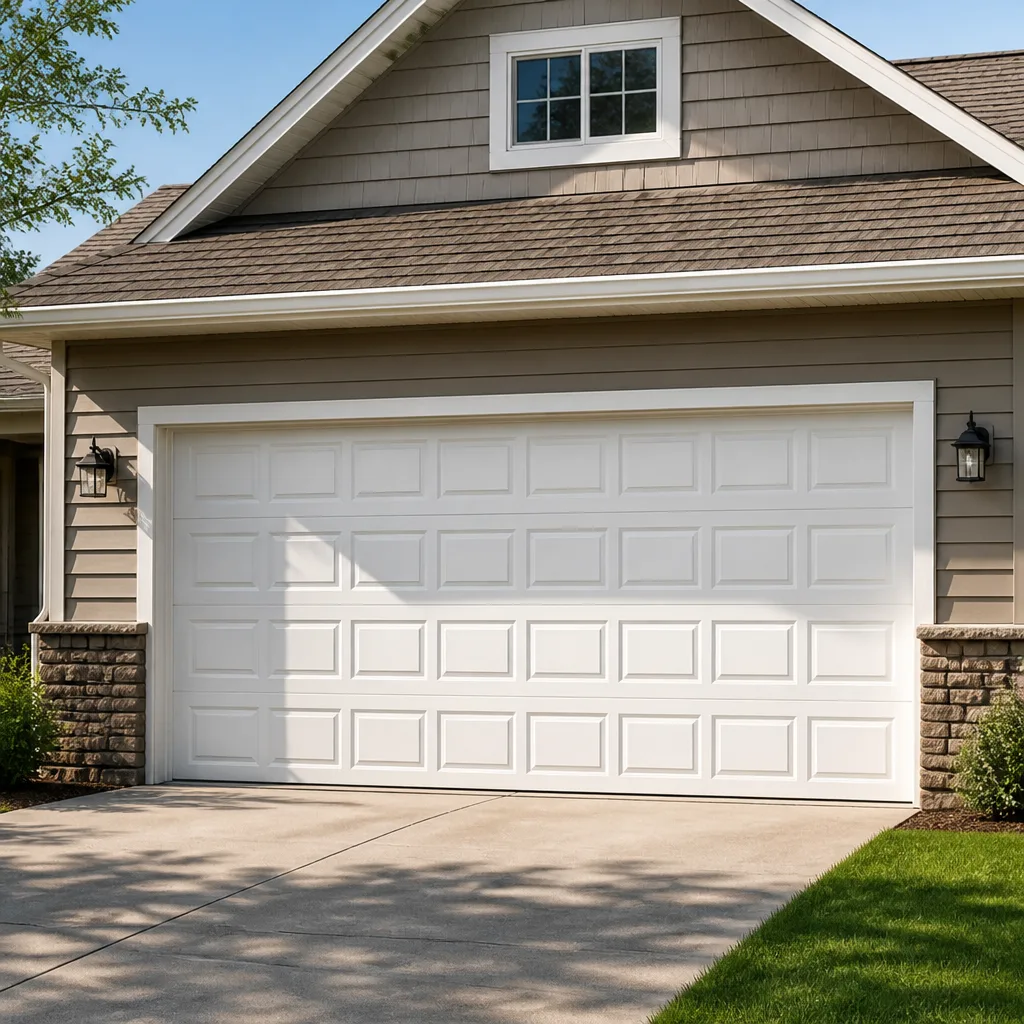 Raised-panel steel
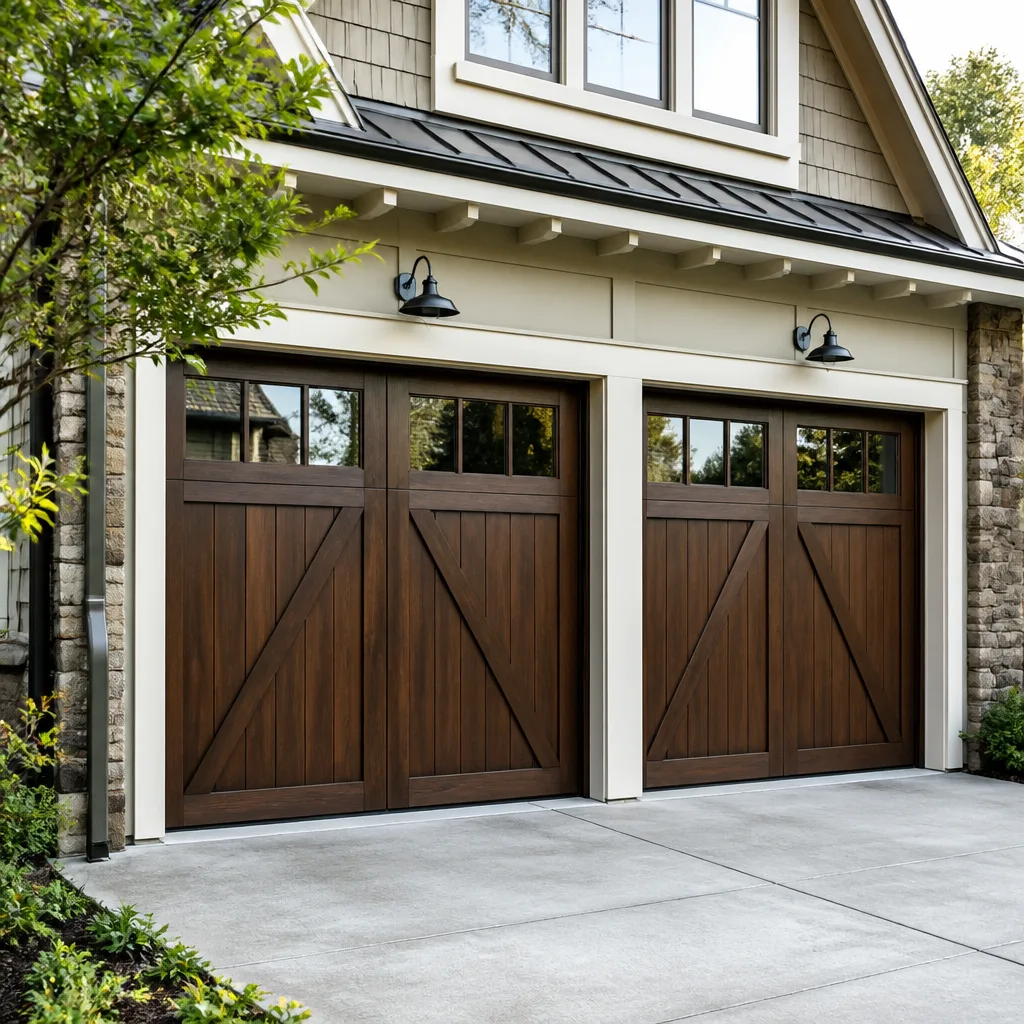 Carriage house
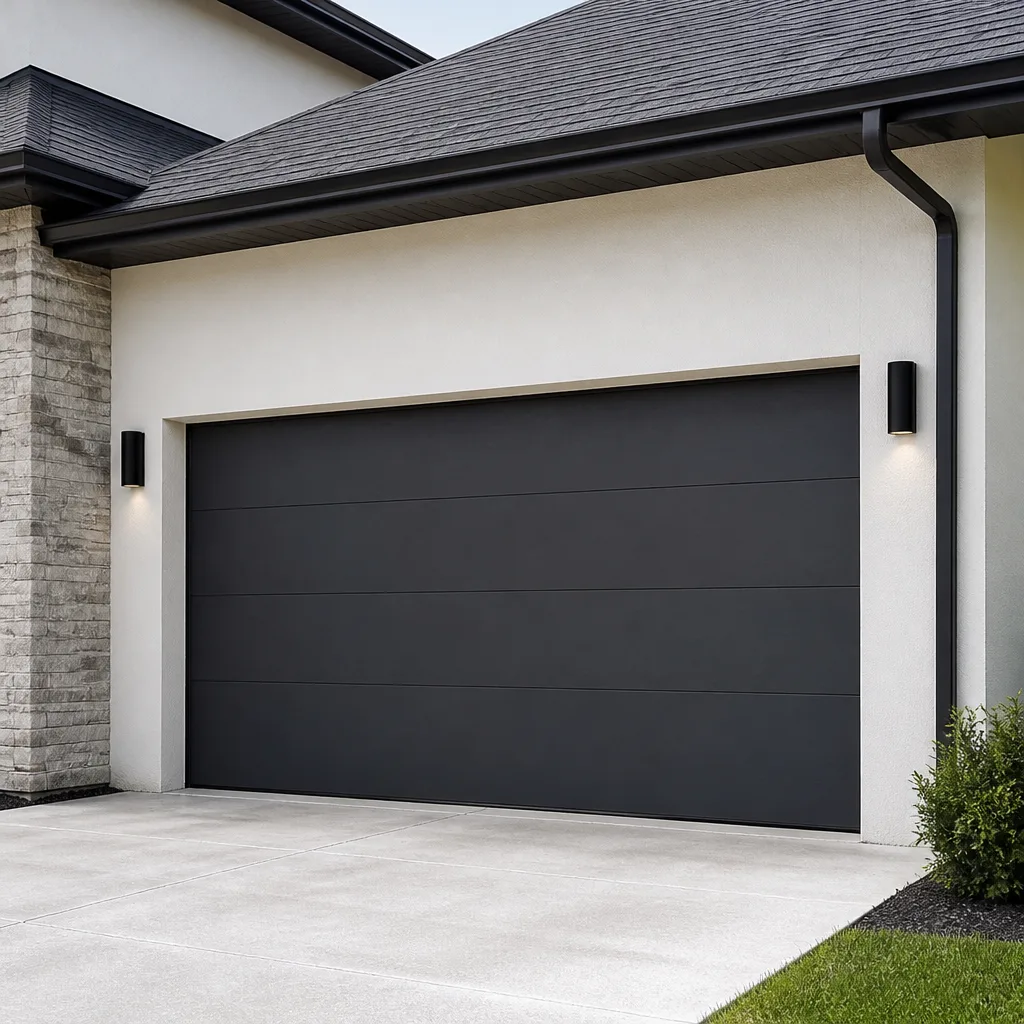 Modern flush
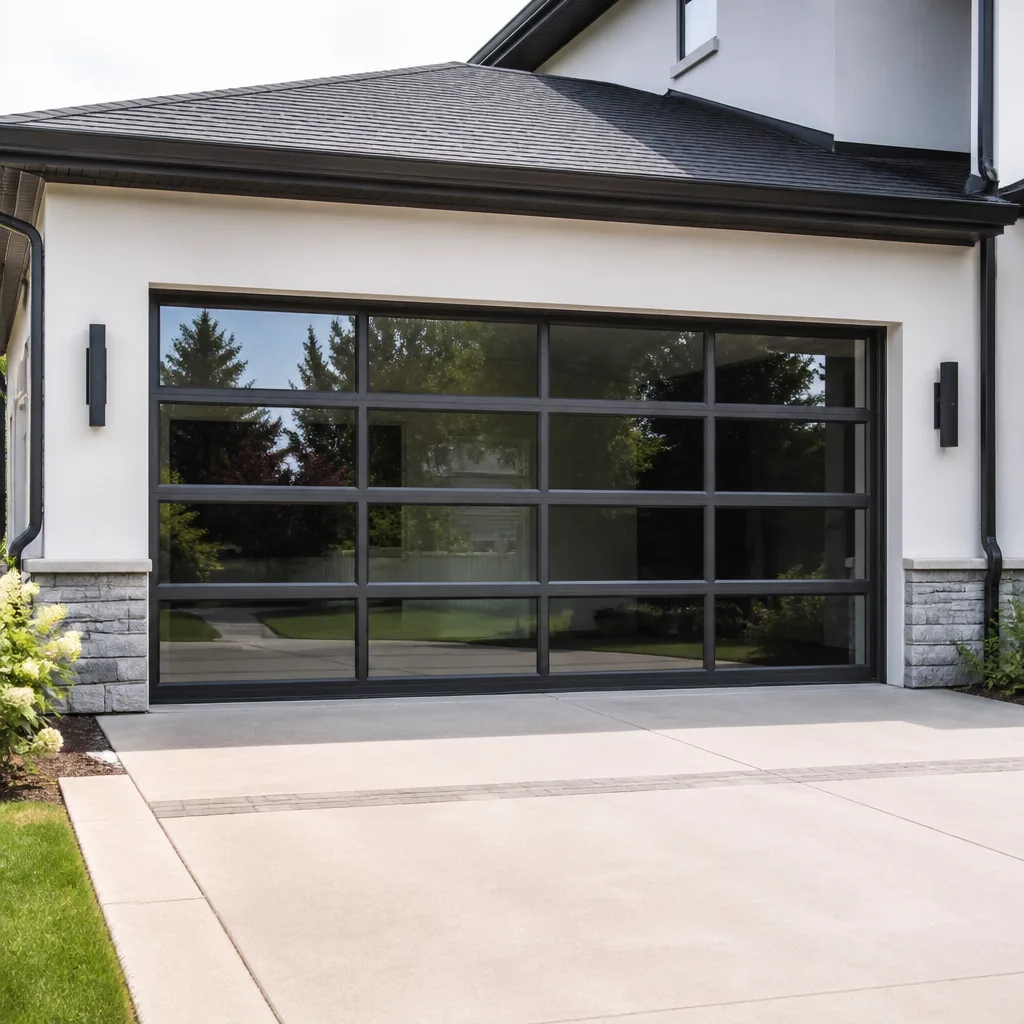 Full-view glass
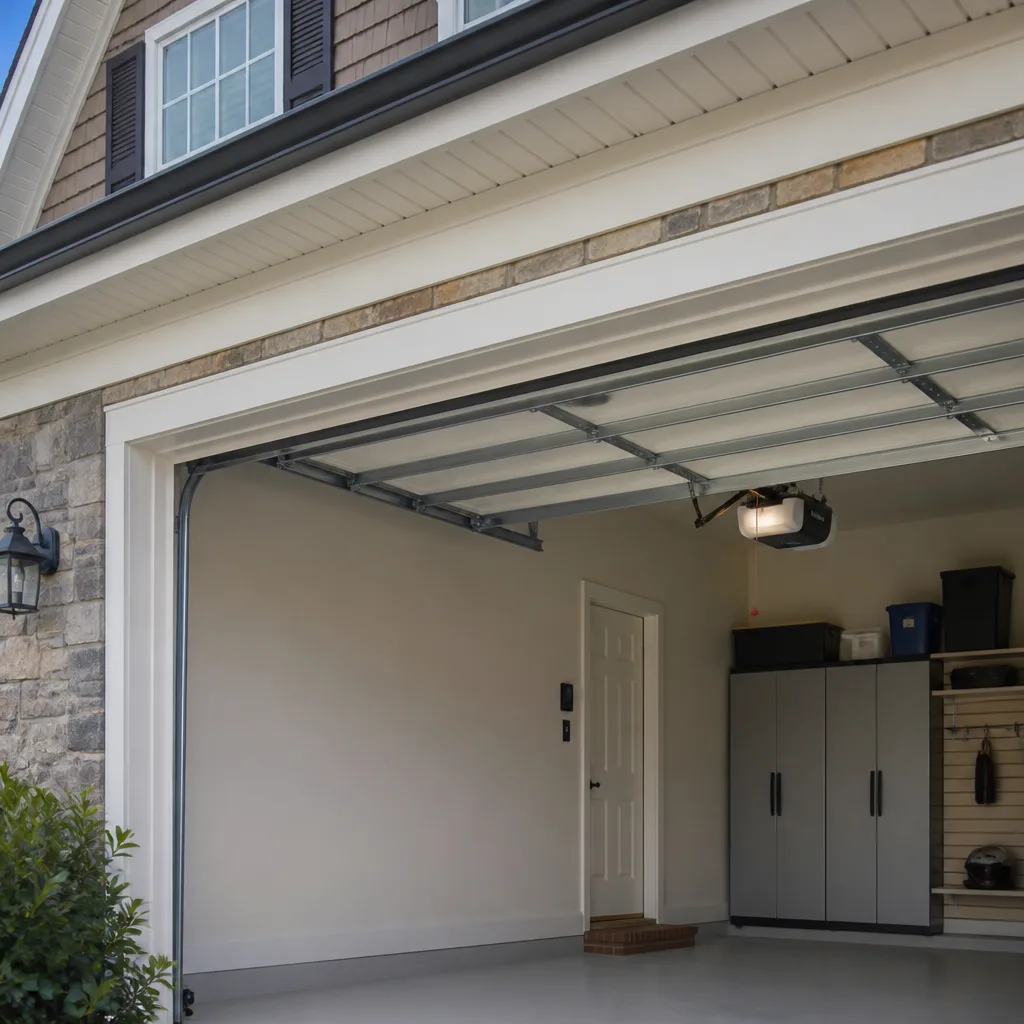 LiftMaster openers
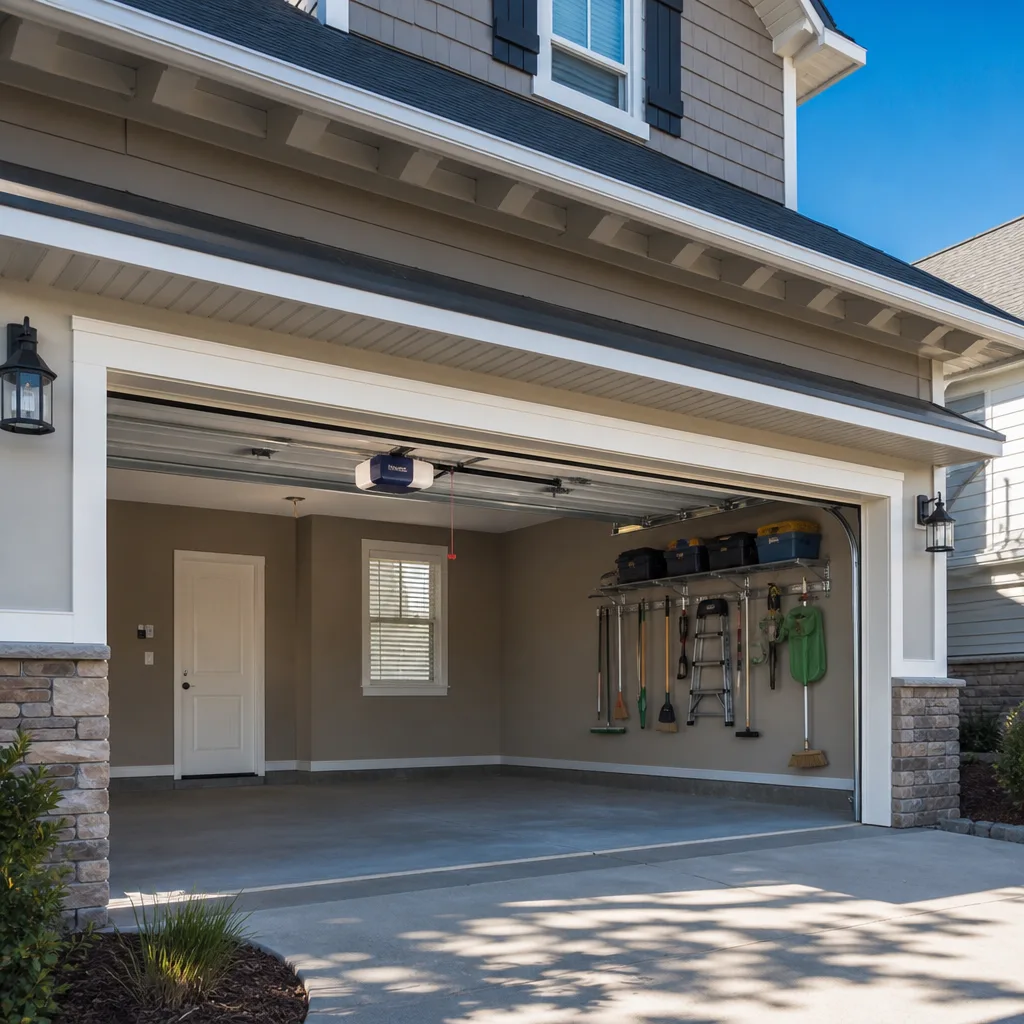 Chamberlain openers
Full 25-point door and opener safety check with every visit - springs, cables, rollers, tracks, and your LiftMaster or Chamberlain opener included
You get a price before we start. It does not change when the truck arrives.
Get your free estimateGarage Door Repair Maintenance Checklist for Hempstead Homeowners
A snapped torsion spring costs between $150 and $300 on a scheduled repair. The same spring snapping at 6:45 a.m. on a Tuesday, with your car trapped inside the garage, still costs $150 to $300 in parts and labor. What changes is the urgency premium, the missed work, the scramble for a ride, and the pressure to say yes to whoever actually answers the phone. In Hempstead, where salt air, humidity, and freeze-thaw cycles all work against your door’s hardware in different seasons, most emergency failures give warning signs for weeks or months before they let go. This guide turns a standard inspection list into a working decision tree: what to check, how often, what each finding actually means, and what action it triggers, so you’re never guessing whether a noise is normal or a bill being written.
Quick Answer
A garage door maintenance checklist for Hempstead homeowners should follow three cadences: monthly visual and sound checks that take 15 minutes, quarterly hardware and balance tests that take 30 minutes, and an annual deep inspection that covers springs, cables, rollers, seals, and opener force settings. The most important items are testing the door’s balance, inspecting cables and springs for wear, lubricating moving parts with a garage-door-specific lubricant, checking the auto-reverse safety feature, and replacing weather seals that show salt corrosion or freeze-thaw cracking. Most Hempstead homeowners can handle the monthly items safely, but anything involving torsion springs or cables under tension should be left to a trained technician or handled through our Garage Door Repair services.
Styles & brands we work with
Table of Contents
- The Monthly Checklist: 15 Minutes That Catch Most Failures Early
- The Quarterly Checklist: 30 Minutes for Hardware, Balance, and Safety Systems
- The Annual Deep Inspection: What to Check Once a Year
- What Hempstead Weather Does to Garage Doors
- What You Can Safely Check vs. What Needs a Technician
- How to Document Findings So a Repair Quote Is Accurate Over the Phone
- Red Flags: Stop Using the Door Immediately
- Common Mistakes to Avoid
- Garage Door Repair in Hempstead: When to Call a Professional
- Frequently Asked Questions
The Monthly Checklist: 15 Minutes That Catch Most Failures Early
Most garage door failures don’t happen suddenly. They build: a roller loses its bearing and starts grinding, a hinge loosens and shifts the door’s weight distribution, a cable begins to fray one strand at a time. The monthly check is designed to catch those early signals while they’re still cheap to address. Budget 15 minutes. You don’t need tools for most of this.
Here’s the monthly sequence we recommend for Hempstead homeowners, based on what we see on service calls across the area:
- Run the door once and listen. Stand inside the garage with the door closed. Open it fully, then close it. A smooth door makes a consistent, low mechanical sound. Grinding, scraping, squealing, or a rhythmic thumping tells you something specific: grinding usually means worn rollers, squealing means dry metal-on-metal contact, and thumping often indicates a door that’s out of balance or has a bent track section.
- Watch the door as it moves. It should rise and lower at a steady speed without jerking, stalling, or tilting to one side. If one side lags or the door shudders at a specific point in its travel, the tracks may be misaligned or a roller may be binding.
- Check the weather seal along the bottom edge. In Hempstead, the bottom seal takes constant abuse: salt air from the South Shore, road salt tracked in during winter, and freeze-thaw cycles that crack rubber. Look for flattening, cracks, gaps where the seal meets the concrete, and signs that water or light comes through. A failed bottom seal lets in water, leaves, mice, and cold air, and it accelerates floor rust in older doors.
- Inspect the cables visually. Look at the cables running along both sides of the door. They should be straight, taut, and free of rust or frayed strands. This is a visual check only, nothing more. Cables under tension can sever fingers, and when they snap, they whip.
- Run the auto-reverse safety test. Place a roll of paper towels or a 2×4 flat on the ground under the door’s path. Close the door. It should reverse within two seconds of contacting the object. If it doesn’t reverse, stop using the door and call a technician. This is the single most important safety feature on your entire system, and in our experience, it’s the one most Hempstead homeowners haven’t tested in years.
The monthly list takes most people under 20 minutes once they know what they’re looking at. The value is that you’re creating a baseline: once you know what your door sounds and looks like when it’s healthy, deviations stand out immediately.
The Quarterly Checklist: 30 Minutes for Hardware, Balance, and Safety Systems
Every three months, plan for a slightly deeper pass. This is where you catch mechanical wear that the monthly check would miss, and where you’ll prevent most mid-range failures: loose hardware, dry rollers, low opener force, and an unbalanced door that’s quietly overworking the spring system and burning out the opener motor.
Set aside 30 minutes. You’ll need a socket set or adjustable wrench, a step ladder, and a garage-door-specific lubricant, which is a lithium-based spray or white lithium grease, not WD-40. WD-40 is a solvent and will strip the protective coating from your springs and rollers, which leads to faster rust, which in Hempstead means visible corrosion within a single winter.
Here’s the quarterly sequence:
- Test the door’s balance. Pull the emergency release cord, the red handle hanging from the opener rail, to disconnect the door from the opener. Manually lift the door to waist height and let go. A balanced door stays put. If it falls, the springs are losing tension or need replacement. If it rises, the springs are over-tensioned. Your opener motor is designed to move a balanced door, not to muscle an unbalanced one, and an unbalanced door shortens the life of the motor and the springs. This is a test, not a repair, and it doesn’t put you near the springs.
- Lubricate moving parts. With the door closed, apply lubricant to the hinges, the rollers, bearing plates, the torsion spring above the door, and the opener chain or belt. Use short, controlled sprays. Wipe off excess. You’re reducing friction and preventing the squeal that signals metal grinding against metal. On the spring specifically, you’re laying down a protective film that fights salt-air corrosion all year.
- Tighten all visible bolts and screws. Garage doors cycle thousands of times a year, and every cycle sends vibration through the hardware. Nuts and bolts loosen. Check the brackets holding the track to the wall, the hinges on each door panel, and the bolts holding the opener rail to the ceiling. Snug anything loose, but don’t over-tighten. If a bolt keeps loosening, it’s telling you the door is shaking harder than it should, usually a balance issue.
- Check the track alignment. Look along both vertical and horizontal tracks. They should be straight, firmly mounted, and parallel to each other. Gaps between track sections, visible bends, or track that pulls away from the wall will bind rollers and stress the opener.
- Inspect the rollers. Nylon rollers with sealed bearings should spin freely. Steel rollers should look clean and rust-free. If you see flat spots, wobble, or rollers that slide instead of roll, plan on replacing them. Roller replacement is cheap compared to the cascade of damage a seized roller causes.
The Annual Deep Inspection: What to Check Once a Year
The annual pass is where you look at the components that actually bear the load and the systems that keep your door safe. For most Hempstead homeowners, this is the one inspection we suggest you either do with full attention or hand to a professional. It’s not that the items are all dangerous, but several of them require correctly reading a problem that’s still small enough to be invisible, which is where experience pays for itself.
The annual checklist:
- Torsion spring condition. Look at the spring mounted above the door. You’re checking for rust, gaps in the coil, or separation where the spring has started to unwind. A spring with a visible gap is near the end of its life. We also look for uneven coil spacing, which indicates uneven loading. A torsion spring, the thick coiled spring above the door that bears most of the lifting load, is rated for a specific number of cycles, usually 10,000. Most Hempstead doors cycle about 1,500 times a year, so a 10,000-cycle spring lasts roughly six to seven years before it’s on borrowed time.
- Cable condition at the bottom brackets. The cables attach to the bottom corners of the door. This is where they fray first, because that’s where they bend most sharply as the door transitions from vertical to horizontal travel. Salt air accelerates the process. Look for any broken strands, rust, or deformation.
- Weather stripping around the sides and top. The perimeter seal keeps the garage dry and keeps heating and cooling bills contained. In Hempstead, look for brittleness from winter cold and mold or mildew from summer humidity.
- Opener force settings. Disconnect the opener and run the door manually. It should move smoothly through its full travel. Then run the opener and watch how hard it works. If it strains, grinds, or reverses unexpectedly, the force settings or limit switches may need adjustment.
- Safety reversing system. Beyond the monthly obstruction test, confirm both the mechanical reversal and, if your opener has them, the photo eyes, the small sensors mounted about six inches off the ground on either side of the door. Wipe the lenses clean and confirm the indicator lights show a clear, aligned signal. In Hempstead homes with attached garages, we also recommend testing that the door reverses properly when the photo-eye beam is broken, not just when the door physically contacts an object.
If you’re not sure what you’re looking at, the honest move is to have a technician run the annual inspection with you once, point out what healthy looks like, and establish your baseline. After that, you’ll recognize drift.
What Hempstead Weather Does to Garage Doors
Garage doors don’t fail on a national average schedule. They fail according to the climate they live in, and Hempstead has a climate that works a garage door from several directions at once. Here’s what we see on service calls throughout Hempstead and the surrounding Nassau County area, season by season.
Salt air and coastal corrosion. Hempstead sits close enough to the South Shore that salt air reaches inland, especially during late-summer humidity and winter storms. Salt accelerates corrosion on any exposed metal: springs, cables, hinges, brackets, and the opener’s internal hardware. We regularly replace hardware in Hempstead that would have lasted another five years in a dry, inland climate. The preventive move is quarterly lubrication and annual checks for rust spots that need cleaning or coating. The emergency move, which we’ve seen too often, is a cable that rusted through and snapped under load.
Summer humidity and wood panel swelling. Many Hempstead homes still have wood garage doors, and even steel doors have wood frames at the jambs in older construction. High summer humidity swells wood. Swollen wood makes doors bind in their opening, strain the opener, and wear tracks and rollers unevenly. If your door begins sticking in July and August, or the clearance on one side tightens, humidity is often the cause. The fix may be as simple as adjusting trim or the track bracket. Waiting turns binding into bent track sections and burned-out motors.
Freeze-thaw stress on bottom seals. Winter in Hempstead cycles through freeze and thaw repeatedly. Water sits against the bottom seal, freezes overnight, expands, and cracks the rubber. After a few seasons, the seal splits and daylight shows through. A split seal lets water into the garage during snowmelt, which then freezes against the door face and accelerates rust at the bottom panel. This is one of the most common repairs we do every winter, and it’s visible from inside your garage without any tools.
What You Can Safely Check vs. What Needs a Technician
Most maintenance checklists blur the line between what a homeowner should inspect and what they should hand to a professional, so they either push you toward danger or leave you afraid to do anything. Here’s where we draw the line, clearly.
Safe for you to check and address:
- Visual inspection of rollers, hinges, tracks, and brackets
- Tightening loose bolts and screws
- Lubricating hinges, rollers, and bearing plates
- Testing the door balance with the emergency release
- Testing the auto-reverse safety feature
- Cleaning photo-eye lenses
- Replacing bottom weather seals on most door models
- Washing the exterior door surface with mild detergent
Requires a technician, no exceptions:
- Anything involving the torsion spring: adjustment, replacement, or repair. Torsion springs are wound under enormous tension, enough to cause severe injury or death if they release. A spring that needs work is a professional job, full stop.
- Cable repair or replacement. Cables work in pairs and they’re under the same load path as the springs. When one fails, the door can drop violently. This is why we run cable repairs as a two-cable job, replacing both sides so the load stays even.
- Track replacement or major realignment
- Opener replacement or internal electrical work
- Any repair where you’re not confident about what you’re seeing
The line isn’t about ability. It’s about tension, stored energy, and the fact that a mistake on the wrong component doesn’t just wreck the door, it can injure someone. When in doubt, call. A good technician will tell you over the phone whether it’s something you can handle or something they need to put hands on.
How to Document Findings So a Repair Quote Is Accurate Over the Phone
Most Hempstead homeowners call a garage door company and describe the problem in one of two ways: too vague, or catastrophically wrong. Neither gets you an accurate price. Here’s how to document what you see so the quote you get on the phone is close to the number on the invoice.
The method we teach our customers is simple: photo the part, measure the obvious, describe the sound, and note when it happens.
- Photograph the specific component. Don’t send a picture of the whole door. If the cable looks frayed, photograph the cable at its mounting bracket. If a roller is worn, photograph that roller against its track. A tight photo lets a technician identify the part, the brand, the wear pattern, and whether the fix needs one part or a set. We can often tell you over the phone whether you need a simple cable replacement or a full spring-and-cable job, which saves you the guesswork and the surprise.
- Measure what you can safely reach. Door width and height help us quote a new door or panel replacement. The gap between the bottom of the door and the concrete tells us how far gone a seal is. Spring measurements we don’t ask you to take because that puts you near a loaded spring, and there’s no reason to.
- Describe the sound with the actual sound, not an interpretation. “It’s loud” tells us nothing. “It’s a grinding noise that happens every time the door hits the top panel on the way up” tells us a roller is probably seizing. Record 10 seconds of audio on your phone if you can. It’s the fastest way for us to hear what’s wrong.
- Note when it happens. Does the noise happen every cycle or only when it’s cold? Only in the first foot of travel or through the whole range? Does the door stick in July but not January? Timing narrows the diagnosis sharply. In Hempstead, seasonal patterns point at specific causes, humidity swelling in summer, cold-weather stiffness in winter.
If you document this way, you’ll get a real number before we roll a truck, and the price we quote is the price you approve. That’s how Brock Garage Doors Hempstead home works: written price before any work starts, every time.
Red Flags: Stop Using the Door Immediately
Most garage door problems are annoyances you can live with for a few days. A noisy roller can wait. A cracked bottom seal can wait. These are not those. If you see any of the following, stop running the door and call a professional. Continuing to operate a door with these conditions turns a $200 repair into a $1,200 emergency, and in some cases turns an inconvenience into an injury.
- A visibly broken or separated torsion spring. If the spring above the door is in two pieces, the door has no counterbalance. Running the opener, or even trying to lift the door manually, will force the motor, and the door can come down hard. This is a full stop.
- A cable that’s snapped, unwound from its drum, or hanging loose. A door with one failed cable will drop with force. If a cable has already come off the drum, the other cable is now carrying double load and is at immediate risk.
- A door that’s off its track. If you see a roller out of the track, a gap between the track and the wall, or the door leaning away from the garage, stop. The entire structure is unstable, and the next cycle could bring the door down on a vehicle or a person.
- A door that reverses when nothing is in its path. This usually means the force settings, limit switches, or safety sensors are fighting each other. It’s also a sign the opener is struggling against a door that’s out of balance. Either way, it stops being a functioning door and becomes a safety problem.
- Any loud bang or crack followed by the door dropping or slamming. That’s a spring or cable failure happening in real time. The door is now uncontrolled. Do not try to open or close it again.
- Visible scorch marks or melting around the opener motor. Electric motors don’t smoke without a reason. Unplug the opener and leave it alone until a tech arrives.
We’d rather you call us when you’re not sure than run the door one more time to “see if it happens again.” The second failure is the one that hurts.
Common Mistakes to Avoid
These are the errors we see Hempstead homeowners make, year after year. Every one of them costs money or creates risk that a simple habit would eliminate.
- Using WD-40 or penetrating oil on garage door parts. WD-40 is a cleaner and a water displacer. It strips the lubricant from rollers and springs and leaves bare metal exposed to Hempstead’s salt air. Use a lithium-based garage door lubricant only.
- Ignoring a squealing door. A squeal means metal on metal with no lubrication. The longer it runs, the more material wears off the rollers, hinges, and springs. Lubricate quarterly and the squeal never gets a chance to start.
- Running the opener on an unbalanced door. If your door fails the balance test and you keep opening and closing it, you’re burning out the motor and stress-cycling the springs simultaneously. That turns one repair into two.
- Skipping the auto-reverse test because it “always worked before.” The reversing mechanism fails just like every other part, and it fails without announcing itself. Test it monthly. In Hempstead households with children and pets, this is the single most important habit on the list.
- Trying to grease tracks. Grease on tracks attracts dirt and creates a paste that binds rollers. Tracks should be clean and dry. Lubricant goes on rollers, hinges, and springs, not the track surface.
- Replacing one spring when the other is the same age. Torsion springs are typically installed in pairs, and they wear at nearly the same rate. If one has failed, the other is close behind. Replacing only the broken one means paying for a second visit, a second service call fee, and another round of downtime in a few months.
- Assuming a noisy opener means the opener is dying. Often, the noise is the door’s hardware transmitting through the opener rail. Before you pay for an opener replacement, check the rollers, hinges, and balance. A Garage Door Opener Repair in Hempstead may be the actual fix, and it’s a fraction of the cost of a full replacement.
When to Call a Professional
Some things on your checklist will end with a finding you can’t fix, and that’s the moment to pick up the phone instead of the toolbox. You need a professional when the balance test fails, when a spring or cable shows any sign of damage, when the door is off its track, when the opener’s auto-reverse stops working, or when you’ve tried the quarterly checklist and the door is still noisy, stiff, or erratic. You also need a pair of experienced eyes when you’re not sure whether a finding is normal aging or a failure in progress. That’s not a fee negotiation. It’s a free estimate. Brock Garage Doors Hempstead offers free estimates in Hempstead, and a live person answers calls 24 hours a day, seven days a week. Call (516) 559-5490 and we’ll tell you over the phone whether it’s a checklist item you can handle or a repair that needs a truck.
Frequently Asked Questions
Garage door spring replacement in Hempstead typically runs $150 to $300 for a single spring, and $250 to $500 for a pair, depending on spring size, door weight, and whether the cables and drums need replacement at the same time. Here’s a breakdown of what we quote on service calls across Hempstead:
| Repair | Typical Hempstead Price Range |
|---|---|
| Single torsion spring replacement | $150 – $300 |
| Pair of torsion springs | $250 – $500 |
| Cable replacement (both sides) | $150 – $275 |
| Roller replacement (set of 10 – 12) | $120 – $250 |
| Bottom weather seal replacement | $80 – $150 |
| Opener repair (circuit board, gear, or sensor) | $125 – $350 |
Every price is written down and approved before any work starts. Call (516) 559-5490 for an exact quote on your door, and you’ll know the number before we roll a truck.
Lubricate your garage door hinges, rollers, and springs every three months, and wipe down the tracks each time. Hempstead’s salt air and humidity accelerate metal wear, so quarterly lubrication is the minimum that keeps moving parts coated in a protective film. Use a lithium-based garage door lubricant, not WD-40.
No. Garage door cables work under the same high tension as torsion springs, and when one fails, the door can drop violently and cause serious injury. This is one of the jobs where the danger is invisible until it isn’t. Garage Door Cable Repair in Hempstead is a professional-only repair, and we replace both cables as a matched set so the load stays even.
A garage door spring is going bad when you see visible rust, gaps in the coil, separation in the spring, or the door fails the balance test: disconnect the opener with the emergency release, lift the door to waist height, and let go. If the door drops, the springs are losing tension. A door that’s getting harder to lift manually is another early warning, as is a door that’s suddenly noisy at the start of its travel.
The most common garage door problem we see in Hempstead is rust and corrosion on cables, springs, and hardware, driven by the area’s salt air and humid summers, followed closely by bottom seals cracked from freeze-thaw cycling. Both are visible from inside your garage during a one-minute visual check, and both are much cheaper to address before failure.
A well-maintained garage door opener in Hempstead typically lasts 10 to 15 years, but only if the door it’s lifting stays balanced and lubricated. When we see openers fail early, it’s almost always because they’ve been running against an unbalanced door or seizing rollers for months. The opener is rarely the first thing to fail. It’s usually the last.
The Bottom Line
The maintenance checklist that actually keeps your garage door alive in Hempstead has three parts: look at the door monthly, test the hardware and balance quarterly, and run the full inspection annually. Most failures announce themselves weeks ahead, in a sound, a gap, a rust spot, or a failed balance test, and every one of those signals is visible from inside your garage with no special tools. Document what you find with photos and measurements, know which findings mean stop using the door, and don’t touch the components that carry spring tension. That’s the whole system. If you find something you can’t fix, call a professional who puts the price in writing before work starts. We’re here around the clock at (516) 559-5490, and we’ll tell you over the phone whether it’s urgent, routine, or something you can handle yourself.
Written by Wade Mercer, Owner at Brock Garage Doors Hempstead, serving Hempstead since 2001.
See the difference
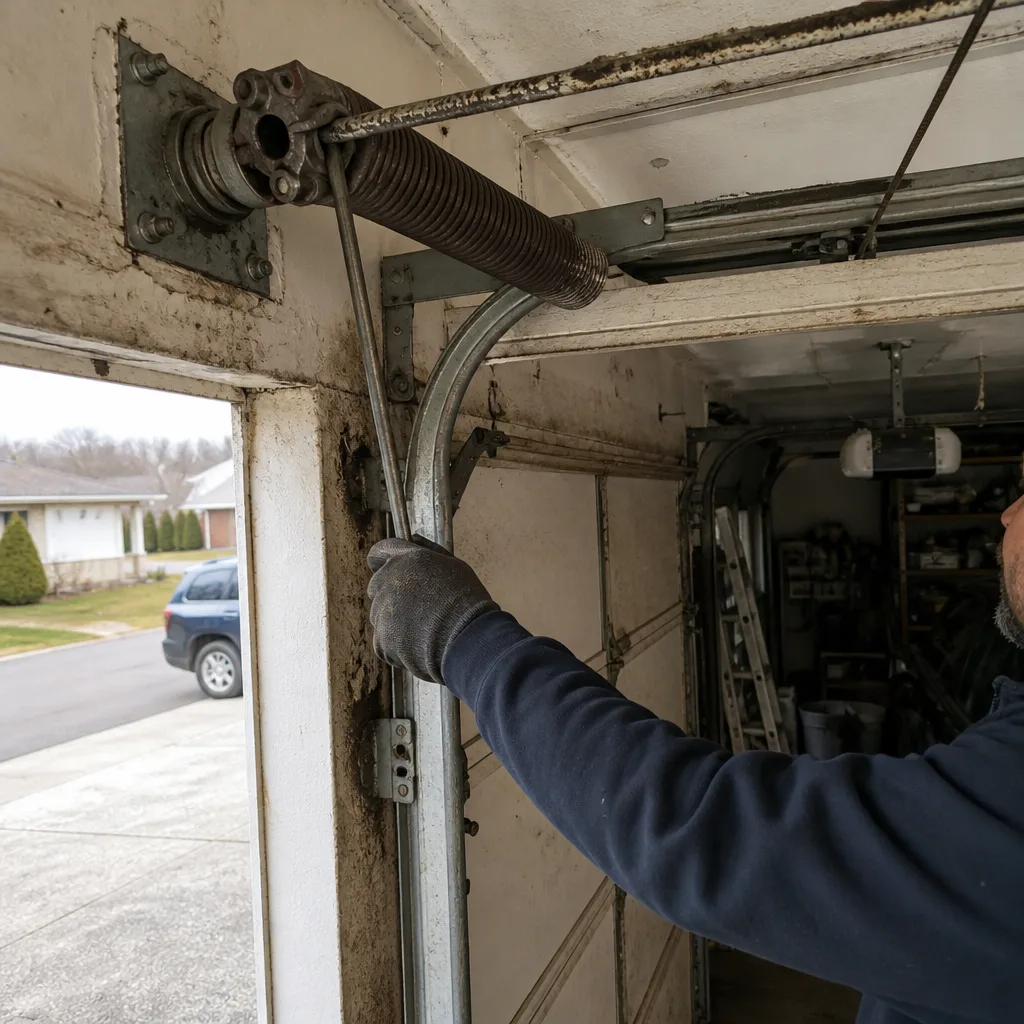 Before
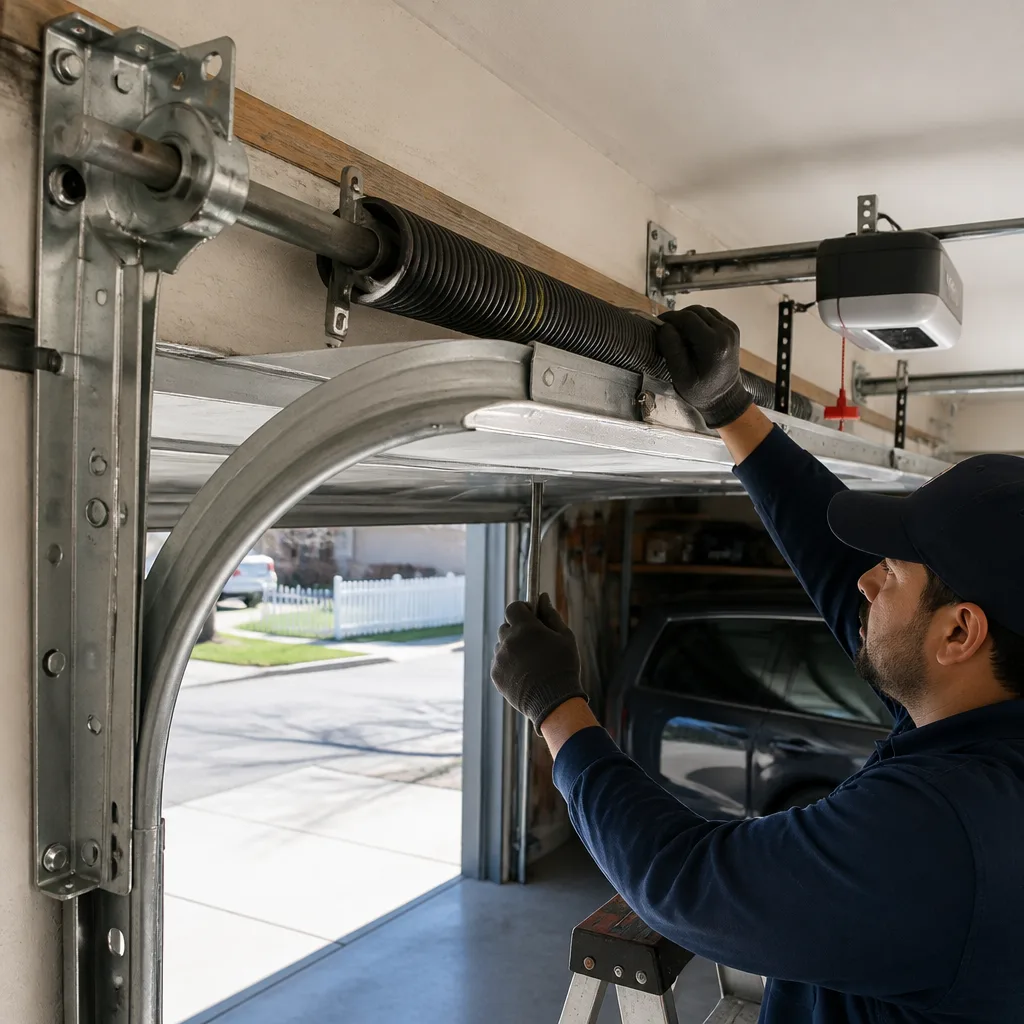 After
After Before
 After
After Before
 After
After