
Last updated October 16, 2026
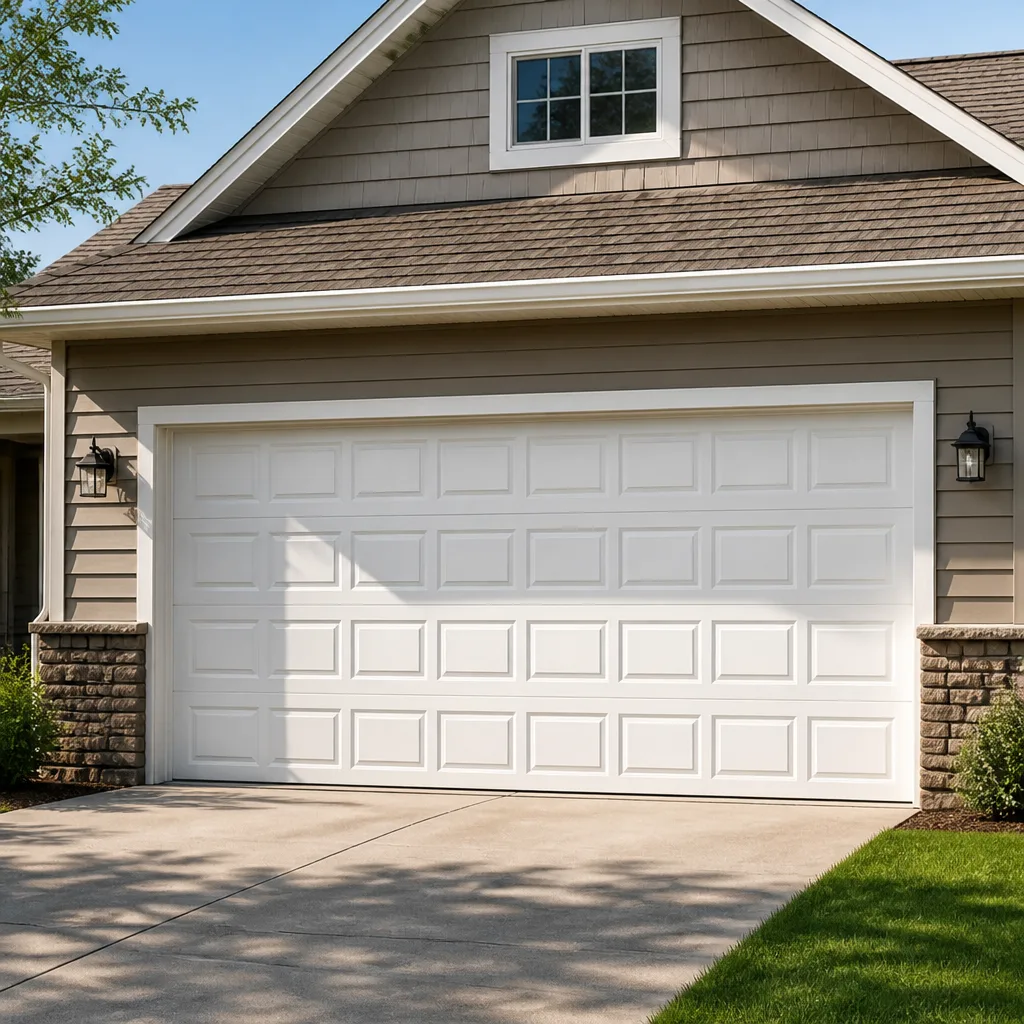 Raised-panel steel
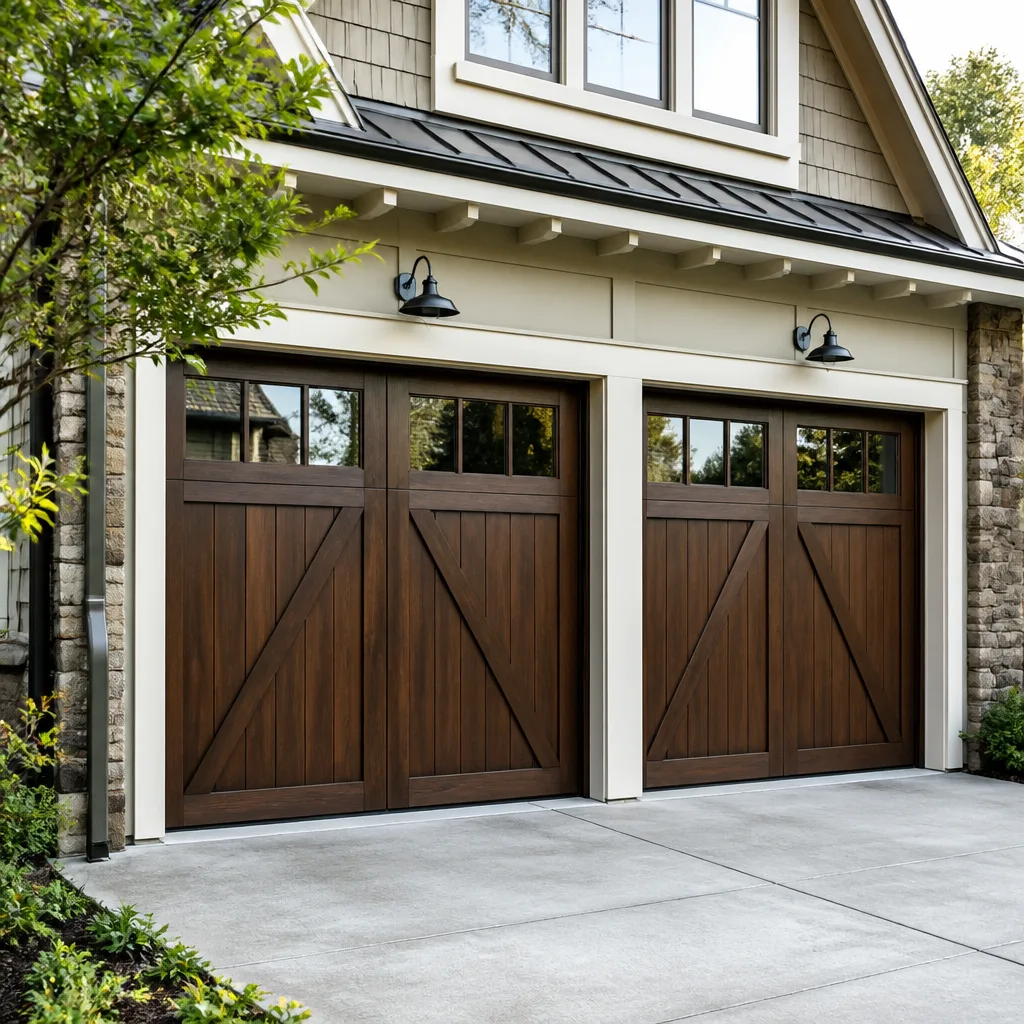 Carriage house
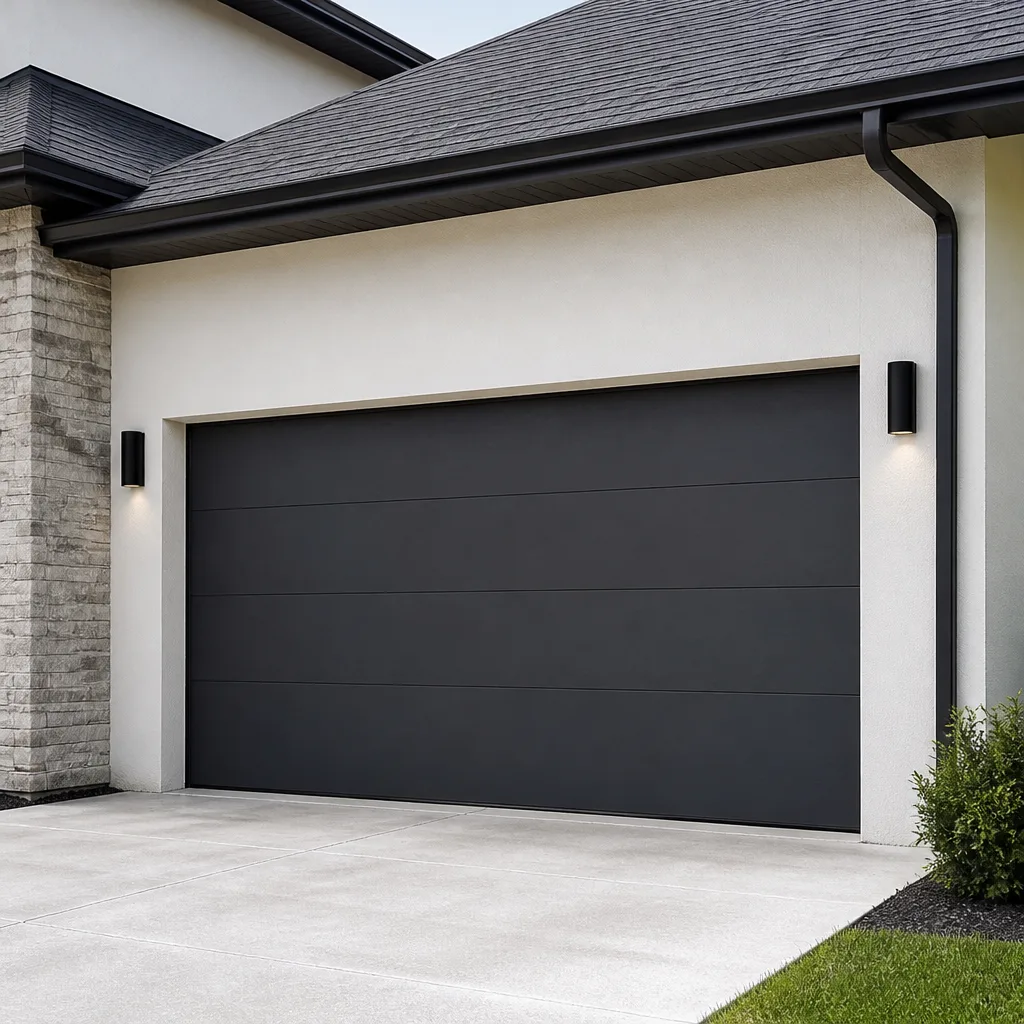 Modern flush
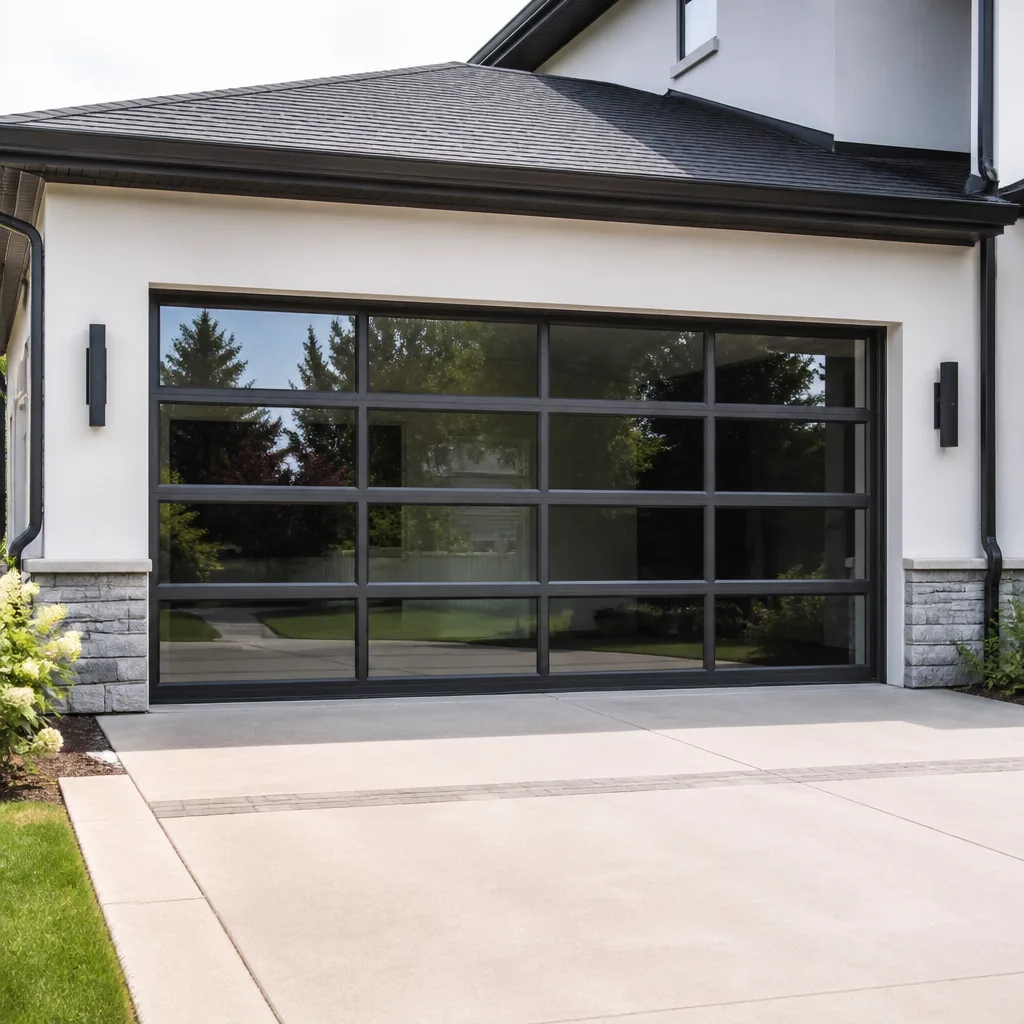 Full-view glass
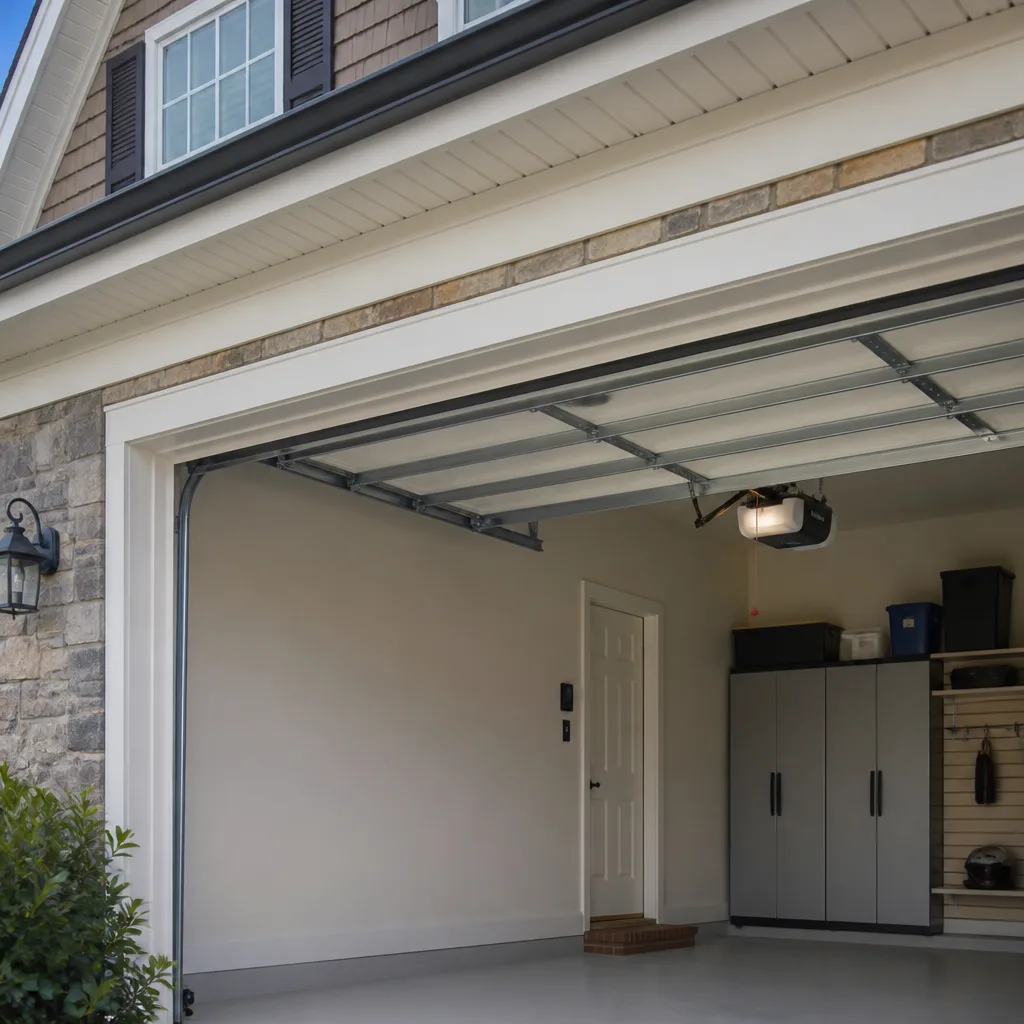 LiftMaster openers
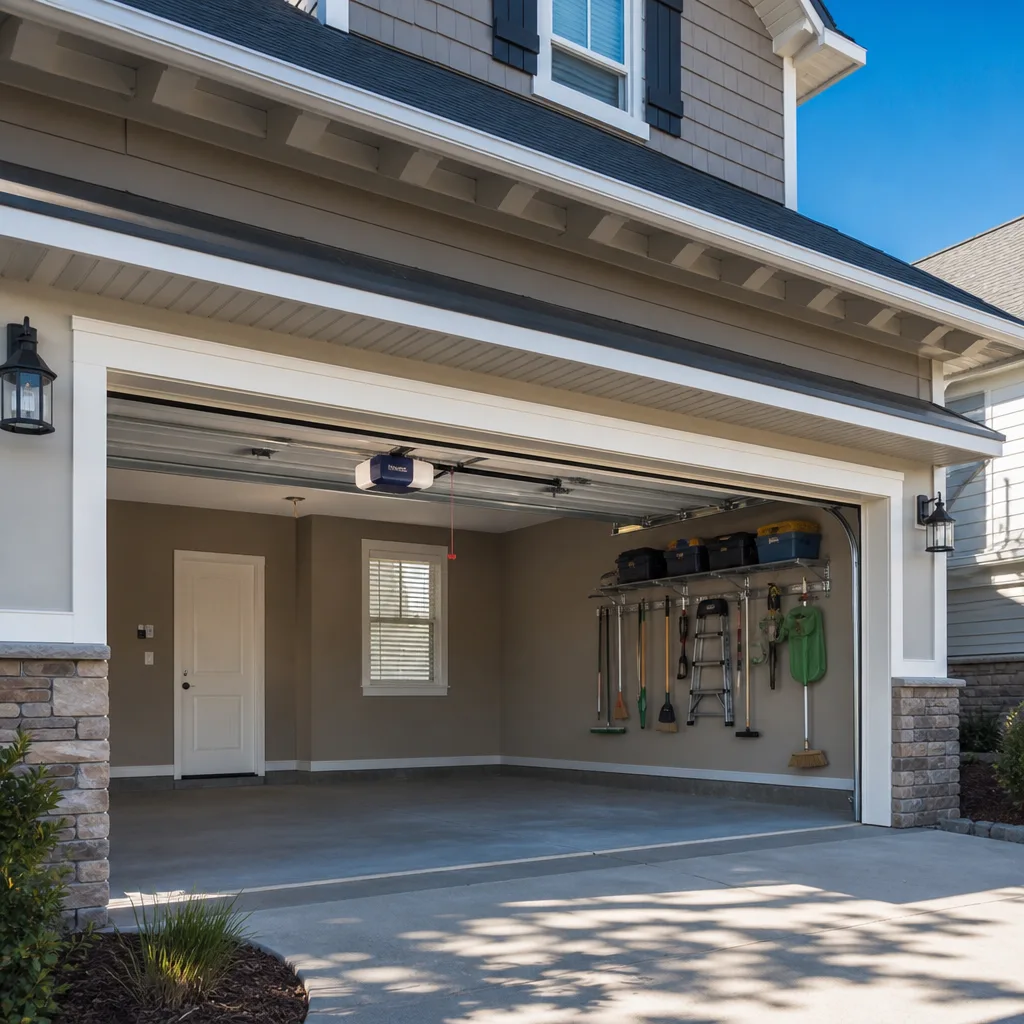 Chamberlain openers
Full 25-point door and opener safety check with every visit - springs, cables, rollers, tracks, and your LiftMaster or Chamberlain opener included
You get a price before we start. It does not change when the truck arrives.
Get your free estimateGarage Door Permits, Codes & Inspections in NY: What You Need to Know
A Hempstead homeowner found out at closing that an unpermitted garage door widening, done by the previous owner, had to be remediated before the sale could proceed. The fix itself was straightforward. The delay cost three weeks and nearly killed the deal. This guide draws the exact line between what needs a permit in New York and what doesn’t, so you never find yourself on the wrong side of a transaction, an inspection, or an insurance claim. We’ll cover permit triggers, code requirements, the inspection process, and how to hire a garage door contractor in Hempstead who can verify that work is truly “code compliant.”
Quick Answer
Most garage door replacements in New York do not require a permit, but structural modifications, size changes, or new electrical runs do. A standard door-for-door swap on an existing opening is typically exempt. The exceptions are narrow and specific, and missing them falls entirely on the homeowner at resale.
Styles & brands we work with
Table of Contents
- What Actually Triggers a Garage Door Permit in New York
- Nassau County and Hempstead: Local Rules That Override the Basics
- How to Pull a Permit History on a Hempstead Property
- NY Energy Code and Garage Door Insulation Requirements
- What “Code Compliant” Means on a Contractor’s Invoice
- The Inspection Process for Permitted Garage Door Work
- What to Do If You Find Unpermitted Work
- What Permits and Inspections Cost in Hempstead
What Actually Triggers a Garage Door Permit in New York
New York State leaves most garage door permit decisions to local municipalities. There is no statewide requirement that says every garage door replacement needs a filing. What the state does regulate is energy code compliance, structural safety, and electrical work. Those three categories create the permit triggers that actually matter.
Here is the line, drawn plainly:
- No permit needed: Replacing an existing garage door with a new door of the same size in the same opening. This includes swapping the tracks, springs, cables, and opener if the opener plugs into an existing outlet.
- No permit needed: Repair work. Replacing a broken spring, a snapped cable, a damaged panel, or a worn roller set on an existing door.
- Permit likely needed: Widening the garage door opening, cutting into a load-bearing wall, or changing from a single door to a double door. Structural changes require a building permit in almost every New York municipality.
- Permit likely needed: Adding a new electrical circuit for a garage door opener where no outlet exists. New circuits require an electrical permit. Swapping a plug-in opener on an existing outlet does not.
- Permit possibly needed: Installing a new door in a new opening where no garage door existed before. This is new construction, not replacement, and it gets treated differently.
In Hempstead, the Building Department confirms this framework: a like-for-like replacement does not require a permit, but any modification to the opening or the structure does. We tell homeowners to think of it this way: if the outline of the hole in the wall changes, you need a filing. If it doesn’t, you almost certainly don’t.
A note on openers: a new opener that plugs into an existing grounded outlet is a plug-in appliance replacement. That’s not electrical work in the permit sense. Running a new wire, adding a circuit, or moving an outlet is electrical work, and that’s where the permit applies. When you call us for Garage Door Opener Repair in Hempstead, we’ll tell you plainly whether the job is a swap or a circuit change before any work starts.
Nassau County and Hempstead: Local Rules That Override the Basics
Nassau County operates with a patchwork of village and town building departments. Hempstead falls under the Town of Hempstead Building Department, but some residents live in incorporated villages within the town that have their own inspectors. The rules are similar, but the paperwork path can differ.
What stays consistent across Hempstead and its surrounding villages:
- Structural work is the bright line. If your garage door project touches a header, a support column, or the wall framing, the Building Department wants to see plans and a permit application.
- Zoning setbacks apply to detached garages. A detached garage door change that doesn’t alter the structure typically doesn’t need a permit. Adding a garage or extending one does, and setbacks from property lines become part of the review.
- Flood zone considerations. Parts of Hempstead sit in FEMA flood zones. If your garage is in a flood zone and you’re changing the door, the Building Department may require flood-resistant materials or specific installation methods. This is an easy thing to miss and a frequent cause of rejected permit applications.
We’ve seen Hempstead homeowners get surprised by garage door warning signs like the flood zone requirement when they assumed a simple door swap was no big deal. A Genie or Chamberlain opener works the same in every house, but the paperwork doesn’t. When in doubt, call the Town of Hempstead Building Department directly and ask. They answer the phone, and ten minutes on the line beats a failed closing later.
How to Pull a Permit History on a Hempstead Property
Before you buy a home in Hempstead, pull the permit history. It’s a public record, and the process is straightforward. Here’s how:
- Identify the correct jurisdiction. Determine whether the property falls under the Town of Hempstead Building Department or an incorporated village. The address determines the filing office.
- Request the property file. Most departments accept a written FOIL request or a simple walk-in request for the property card and permit history. Some villages have online lookup tools. Expect to pay a small copying fee.
- Look for garage-specific entries. You’re checking for permits that reference garage door openings, structural work, or electrical changes in the garage. Absence of a permit doesn’t automatically mean trouble, but it means you should ask questions.
- Compare the permit file to the physical reality. If the records show a single-car door and you’re standing in front of a double, that’s a red flag. Unpermitted widening is exactly what nearly killed the sale we mentioned at the top of this guide.
If you find unpermitted work during escrow, don’t walk away automatically. In most cases the remediation is manageable. A variance or retroactive permit filing can often resolve the issue. What matters is that you find out before closing, not after. The Hempstead seller in our opening story had to file plans, wait for review, schedule an inspection, and only then could the closing proceed. Three weeks and a lot of stress, all over a door that worked fine.
NY Energy Code and Garage Door Insulation Requirements
New York’s Energy Code is part of the state’s building code, and it applies to attached garages in ways that affect your door choice. The requirement is not about the garage itself; it’s about the wall between the garage and the conditioned living space.
The rule works like this: if your garage is attached to your house, the garage door is treated as part of the thermal envelope. The code requires attached garage doors to meet minimum insulation values in new construction and in projects where the door is being replaced and a permit is triggered. The specific R-value requirement has varied with code cycles; currently, the relevant standard is an R-value requirement for the door assembly that matches the climate zone for Long Island.
What this means practically:
- Detached garages: Energy code requirements for door insulation generally don’t apply. You can choose based on cost and preference.
- Attached garages with permitted work: Expect the inspector to verify the door’s insulation rating. An uninsulated door on an attached garage can fail inspection on energy code grounds alone.
- Attached garages without permitted work: The code still exists, and a good contractor will recommend an insulated door for comfort and heating bills, even if no inspector is looking.
Brands like Clopay and Amarr make insulated steel doors in several R-value tiers. For a Hempstead attached garage, a door with a reasonable insulation rating keeps the garage above freezing in February and reduces the draft that creeps under the door into the house. The difference in product cost is modest, and the difference in a January morning garage is real.
What “Code Compliant” Means on a Contractor’s Invoice
“Code compliant” has become a marketing phrase. On an invoice, it should mean something specific. Here is how to tell the difference.
Three questions to ask any contractor who tells you the work is code compliant:
- “Which code, and which section?” A contractor who can name the code cycle and the relevant section is working from a reference. A contractor who can’t is working from a vibe.
- “Did you pull a permit, and can I see the inspection result?” Compliance is verified by inspection. If no permit was pulled and no inspection happened, “code compliant” is a claim, not a fact.
- “Will you put that in writing on the invoice?” Verbal code compliance is worth what it costs. A written statement at least gives you something to point to if the claim turns out to be wrong.
At Brock Garage Doors Hempstead, we write the specifics on every job: what was done, what standard it meets, and what the warranty covers. The written price comes before the work starts, and the written guarantee covers 365 days after it ends. That’s the standard we agreed to when we joined the Garrison Partners network in 2001, and it’s how we run every job in Hempstead.
When you get a Garage Door Repair in Hempstead from us, the invoice doesn’t say “repaired to code.” It says what was replaced, what the replacement meets, and who inspected it if an inspection applied. Specifics build trust. Vague claims should make you skeptical.
The Inspection Process for Permitted Garage Door Work
If your garage door project does require a permit, our Garage Door Repair Maintenance Checklist for Hempstead Homeowners covers what the inspection process actually looks like in Hempstead and the surrounding Nassau County jurisdictions:
- Scheduling. The homeowner or the contractor schedules the inspection with the Building Department after the permitted work is complete. Some departments allow phone scheduling; others require an online form or a specific inspection request window.
- What the inspector checks. For a door widening, the inspector verifies the header size, the support columns, the connection details, and the door installation. For electrical work, the inspector verifies the circuit, the outlet, and the grounding. For energy code items, the inspector confirms the door’s insulation rating matches what was filed.
- Preparation. Have the permit documents on site. Have the door in working condition. Have the invoice and product specifications available if the inspector asks for them. The most common reason inspections get rescheduled is missing paperwork.
- Pass or fail. Most inspections are quick. The inspector either signs off or leaves a correction list. Corrections are usually minor: a missing bracket, an exposed wire, a spec sheet that doesn’t match the filed plan. Fix and reschedule.
- Final sign-off. The signed permit goes into the property record. That’s the document you want when you sell. It’s proof that the work was permitted, inspected, and approved.
The inspection process is not adversarial. Inspectors in Hempstead are overworked and understaffed, and a clean, code-visible job gets approved quickly. A sloppy job gets flagged. That’s the system working as designed.
What to Do If You Find Unpermitted Work
If you discover unpermitted garage door work on your Hempstead property, here is the sequence that works:
- Assess the scope. A like-for-like door swap that was never permitted is almost certainly fine to document and move on. A widened opening or structural change is a different matter.
- Pull the permit history. Confirm that no permit exists. Sometimes the previous owner had the work permitted and the record is simply filed under a different name or address format.
- Consult the Building Department before you panic. A candid conversation with a plan reviewer can often reveal what remediation is needed. In many cases, a retroactive permit filing with drawings and an inspection resolves the issue.
- Get a licensed contractor involved. Structural legitimate work needs a professional to assess what was done and whether it meets current code. Trading a “before we fix this” report costs less than a botched repair.
- Document everything for future sale. Once the retroactive process is complete, keep every paper. The next buyer will ask, and you want to hand over a clean file.
We’ve helped Hempstead homeowners through this process, and the common denominator is that the problems resolved faster once someone looked at them honestly. Fear of the Building Department is almost always worse than the interaction itself.
What Permits and Inspections Cost in Hempstead
Permit fees for garage door work in the Town of Hempstead vary by project scope. A like-for-like replacement costs nothing in fees because it requires no permit. A minor structural permit for a door opening change typically runs in the low hundreds. Electrical permits for a new circuit also run in that range. Here’s the breakdown:
- Like-for-like door replacement: $0 in permit fees, no inspection required.
- Door opening modification (structural): Typically $150 to $400, depending on the scope and the department’s fee schedule, plus plan review costs if drawings are required.
- New electrical circuit for opener: Typically $100 to $250 for the permit, plus the electrician’s time.
- Retroactive permit filing for existing unpermitted work: Same fees as the original permit would have cost, sometimes with a late penalty. The penalty is usually modest compared to the cost of a failed sale.
These ranges reflect what we see on Hempstead job files. Your exact cost depends on the specific project and the current fee schedule. The Town of Hempstead Building Department can quote current fees by phone.
Garage Door Cable, Spring, and Opener Repairs: Where Permits Don’t Apply
Most of what we do every day in Hempstead requires no permit at all. Garage Door Cable Repair in Hempstead, torsion spring replacement, panel swaps, and opener repairs on existing circuits are all repair work. No filing, no inspection, no energy code review. The work still has to be done right, and the code still matters as a safety baseline, but the permit system isn’t part of these jobs.
That’s worth understanding because some contractors use “permit required” as a lever to inflate repair quotes. A broken cable on a Chamberlain system doesn’t need a permit in Hempstead, and any contractor telling you otherwise is either confused or padding the invoice. The repair itself typically runs $150 to $275, depending on cable type and drum condition, and it’s a same-day job for a trained technician.
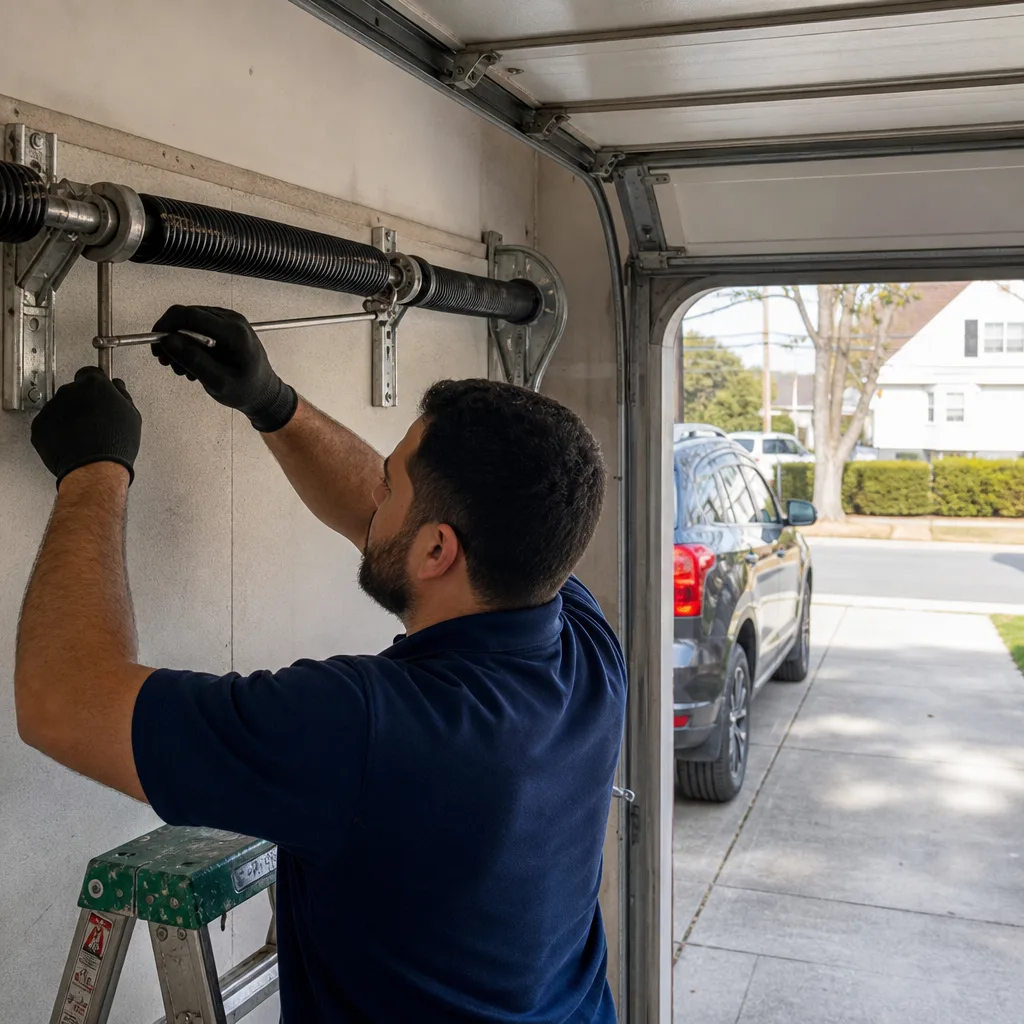
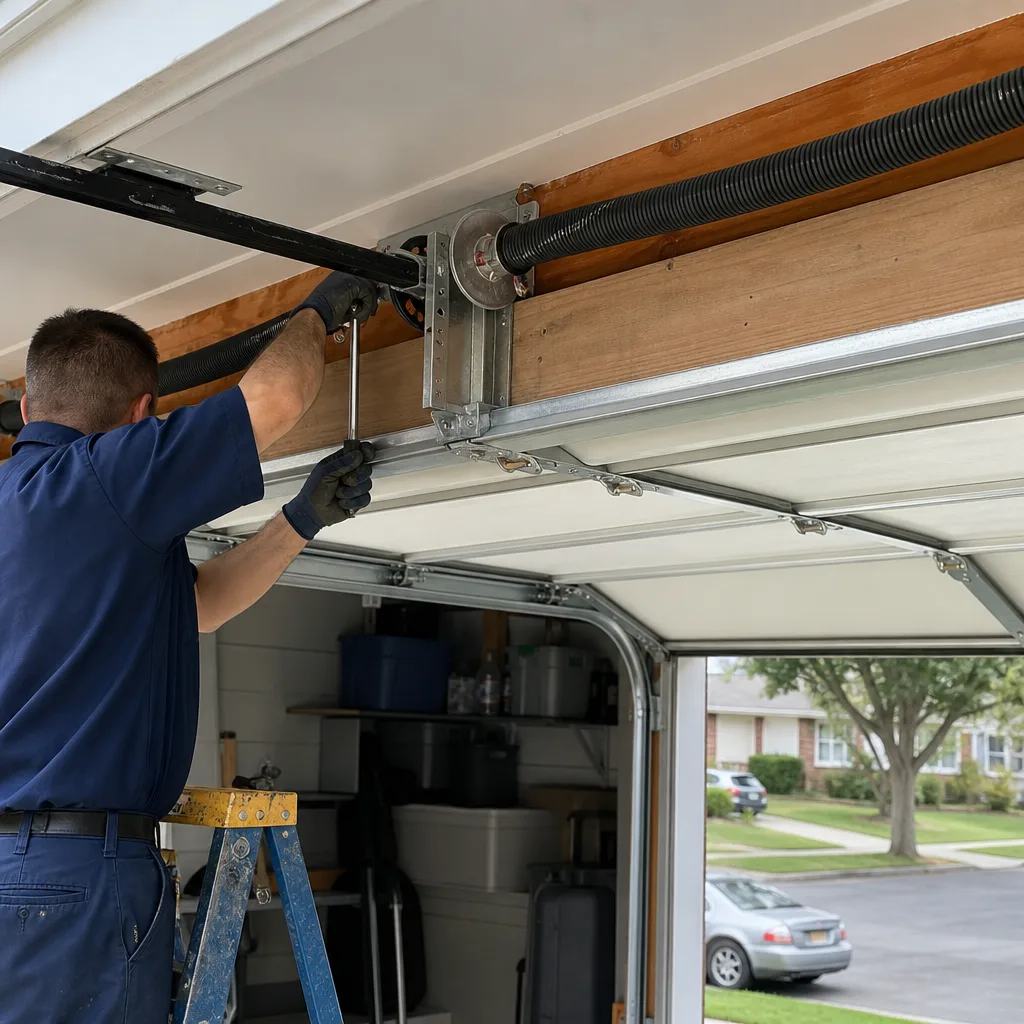
One safety note that belongs in any garage door discussion: torsion springs, the thick coiled springs mounted above the door, are under enough tension to cause serious injury or death if mishandled. Cables carry that same tension through the system. We do not recommend DIY spring or cable work. A trained professional has the winding bars, the process, and the experience to do this work without getting hurt. The risk is not worth the money saved.
See the difference
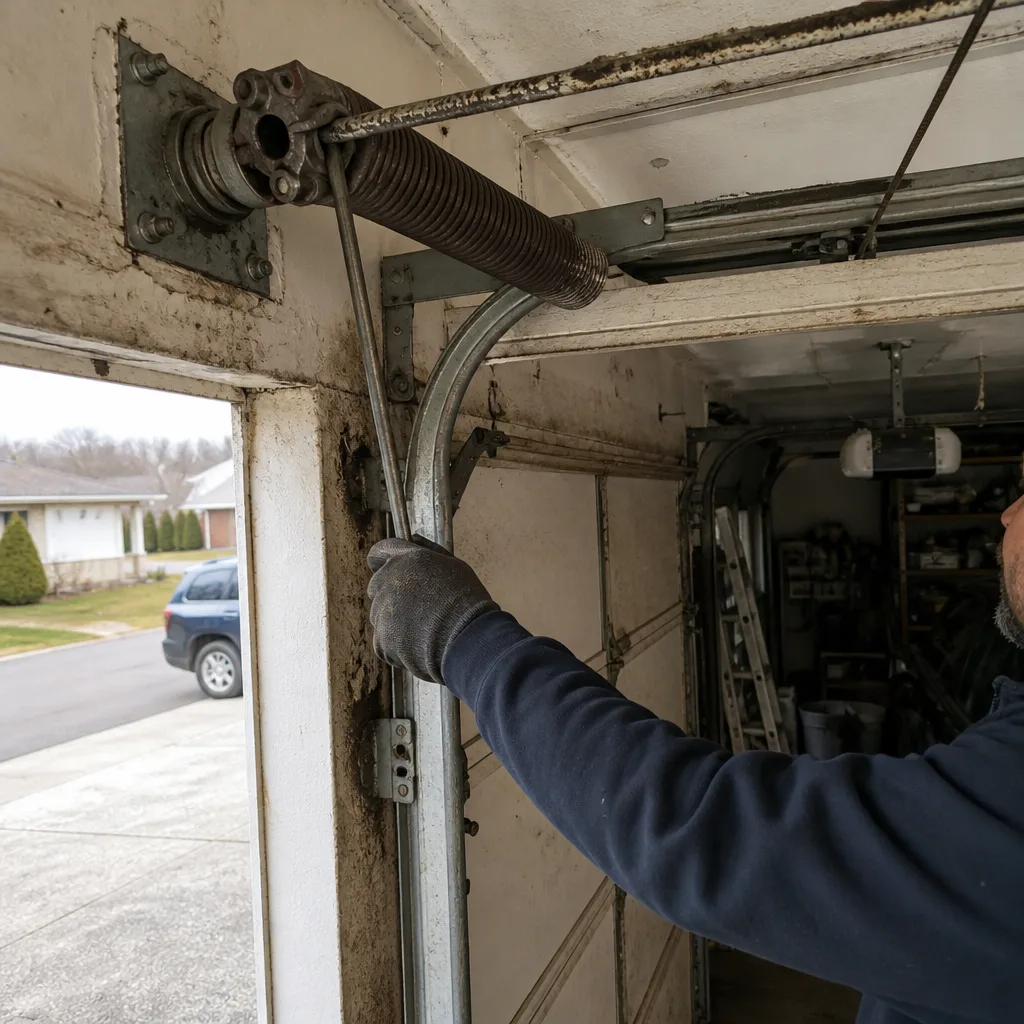 Before
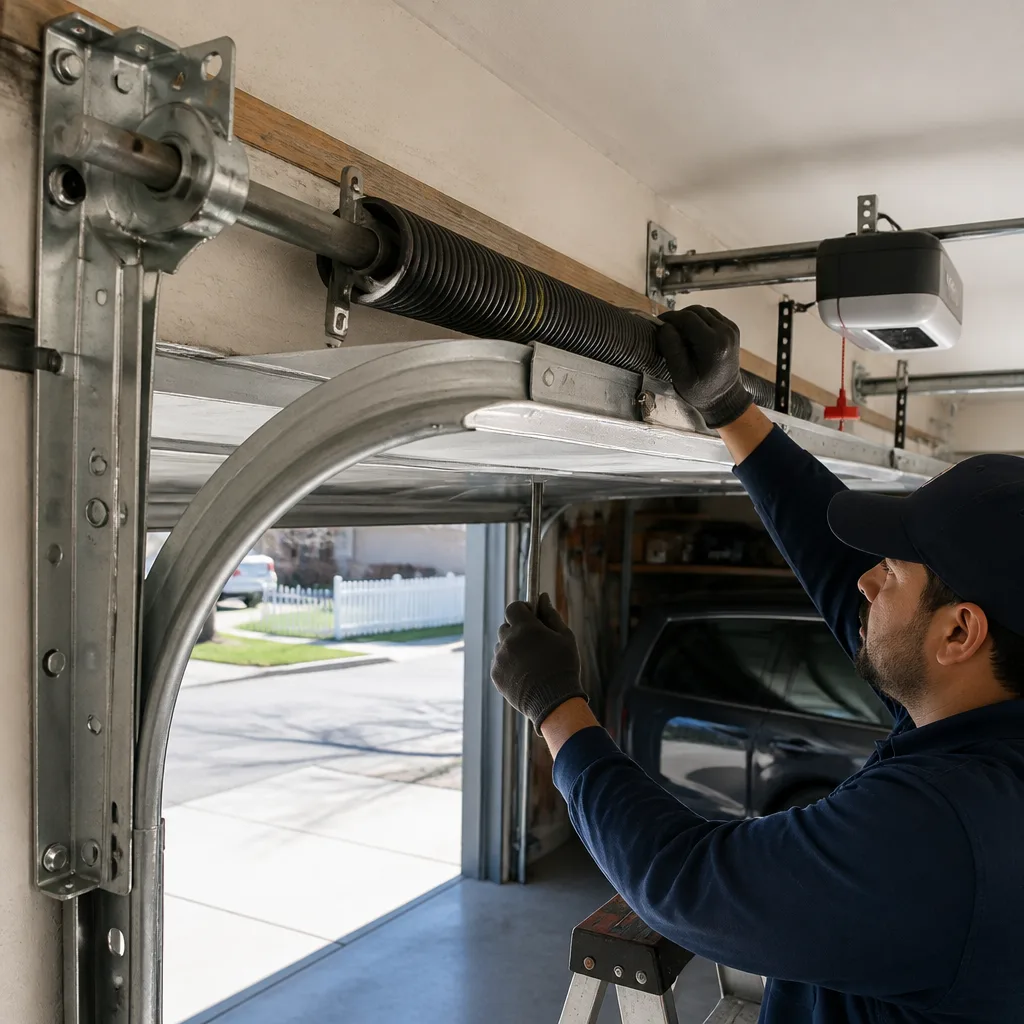 After
After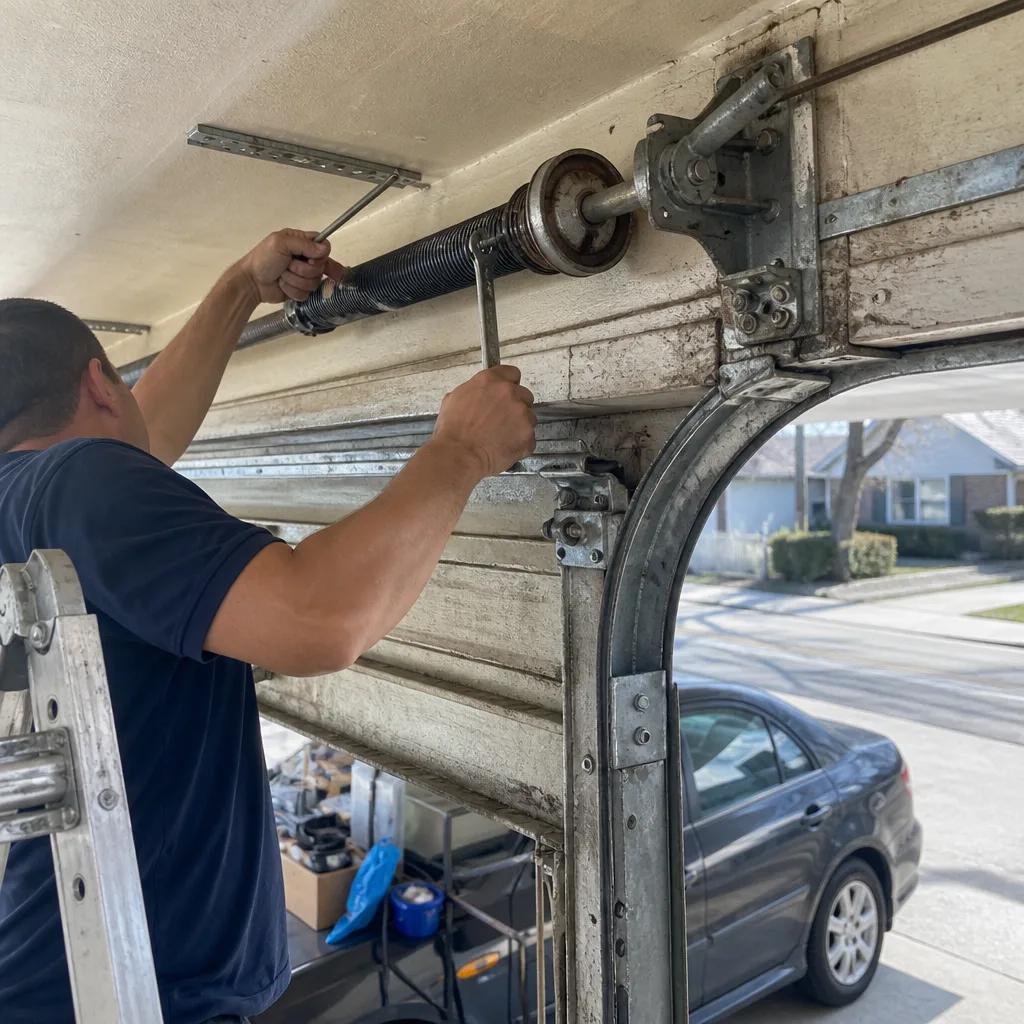 Before
 After
After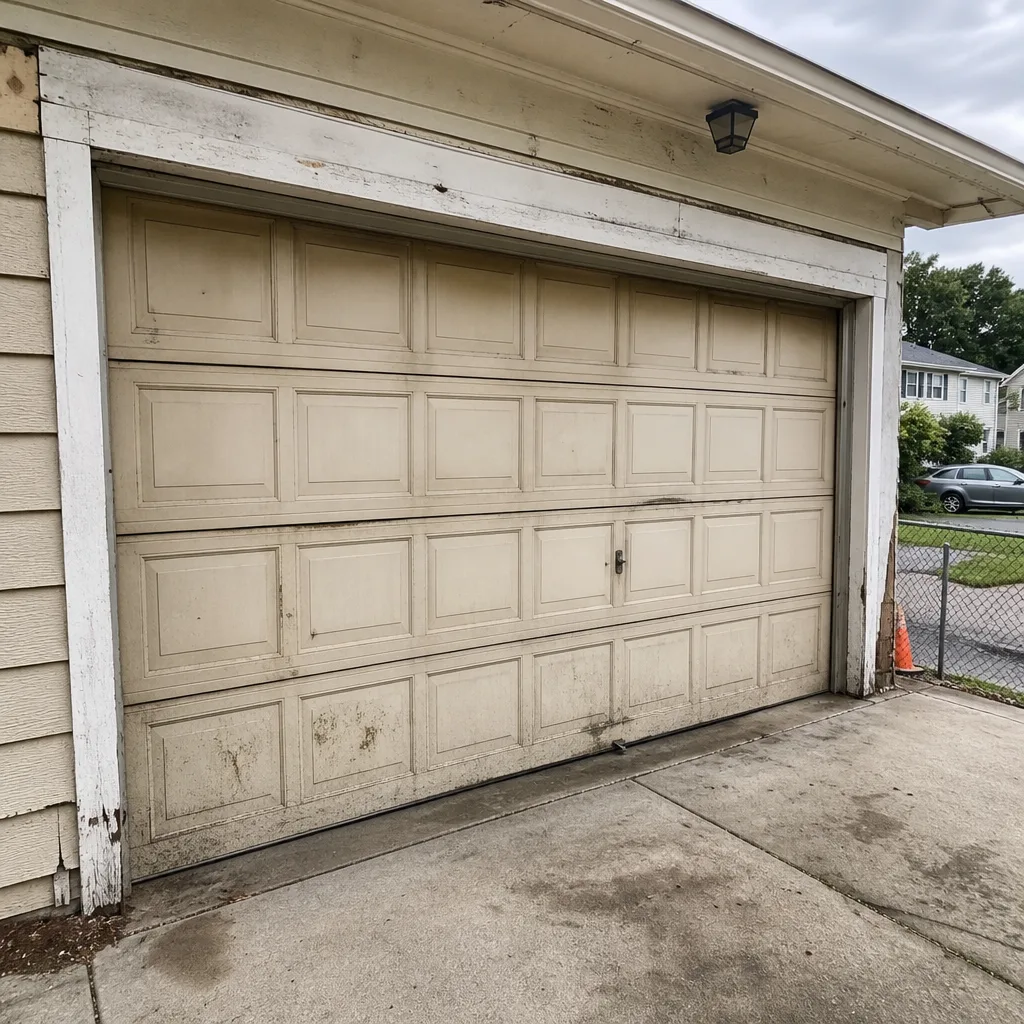 Before
 After
AfterCommon Mistakes to Avoid
- Assuming every door replacement needs a permit. It doesn’t. A like-for-like swap on an existing opening is exempt in Hempstead. Don’t pay for a permit you don’t need.
- Assuming no door replacement ever needs a permit. The moment the opening changes size or the structure is touched, the rules change. It’s the modification, not the door, that triggers the filing.
- Not pulling the permit history before buying in Hempstead. Ten minutes of due diligence beats a three-week closing delay. The time to find out is before you sign.
- Taking “code compliant” at face value. Ask for the specific code reference and the inspection result. If the contractor can’t produce either, the words don’t mean much.
- Ignoring the energy code on attached garages. An uninsulated door on an attached garage can fail inspection and costs you money every winter. The code exists for a reason.
- DIY-ing torsion spring or cable replacement. The tension in these systems is lethal when mishandled. This is the one place where the professional call is the only call.
When to Call a Professional
Call a professional when the opening changes, when the structure is touched, when new electrical work is involved, or when you find unpermitted work on a property you’re buying or selling. Call a professional when a torsion spring breaks, a cable snaps, or a door comes off its tracks; these are genuinely dangerous mechanisms. And call a professional when you want a straight answer about what your specific project needs in Hempstead, or browse our more guides & resources first. Brock Garage Doors Hempstead offers free estimates in Hempstead. Call (516) 559-5490, and a live person answers around the clock.
Frequently Asked Questions
No permit is required in Hempstead for a like-for-like garage door replacement on an existing opening. A permit is required only if the opening size changes, the structure is modified, or new electrical wiring is added for the opener. Call (516) 559-5490 to confirm your specific situation for free.
Like-for-like replacements cost $0 in permit fees because no permit is required. Structural modifications range from roughly $150 to $400 in permit fees, and electrical permits for a new circuit run roughly $100 to $250. Contact the Town of Hempstead Building Department for current fee schedules.
You can sell, but the unpermitted widening may surface at closing and delay or derail the sale. The remedy is typically a retroactive permit filing with plans and an inspection. It’s better to address it before listing than to negotiate it under closing pressure.
The energy code applies insulation requirements to garage doors on attached garages in new construction and permitted replacement projects. Detached garages are generally exempt from the insulation requirement. Even where it’s not required, an insulated door reduces heating costs in Hempstead winters.
The inspector checks whatever the permit covered: structural header and support details for opening modifications, electrical circuit grounding for new opener wiring, and insulation ratings for energy code compliance on attached garages. The inspection is usually quick if the paperwork is ready.
At Brock Garage Doors Hempstead, the answer is no. The written price is handed over before any work starts, and the number on the invoice matches the number you approved. If an inspector requires a correction, it’s covered under the 365-day guarantee. Call (516) 559-5490 for a written quote.
The Bottom Line
New York garage door permits are narrower than most homeowners think. A like-for-like replacement on an existing opening needs no permit in Hempstead. Structural changes, size changes, and new electrical work do. Energy code rules apply to attached garage doors when permits are triggered, and “code compliant” only means something when it’s specific, written, and verified by inspection. Pull the permit history before you buy, fix unpermitted work before you sell, and never touch a torsion spring yourself. The rules are learnable, and the consequences of ignoring them all land on the homeowner.
Written by Wade Mercer, Owner at Brock Garage Doors Hempstead, serving Hempstead since 2001.