
Last updated October 16, 2026
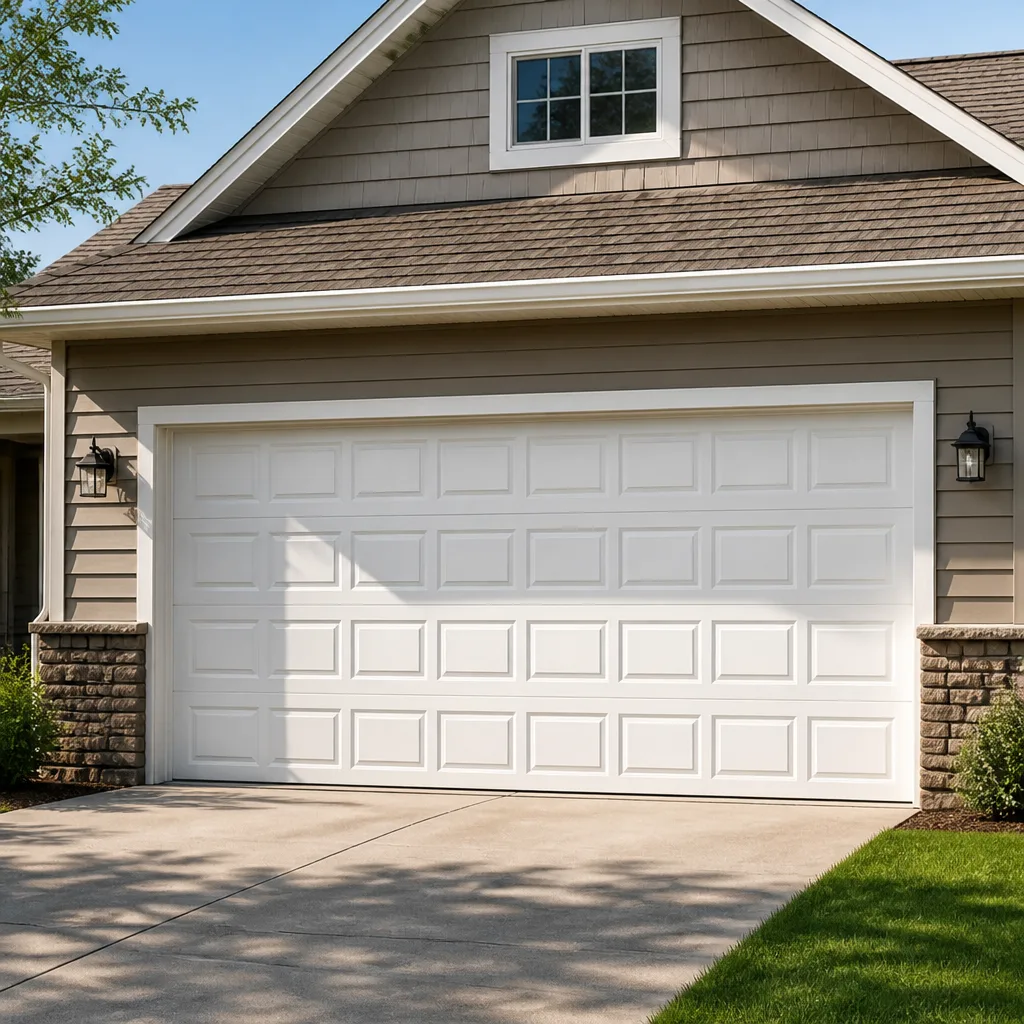 Raised-panel steel
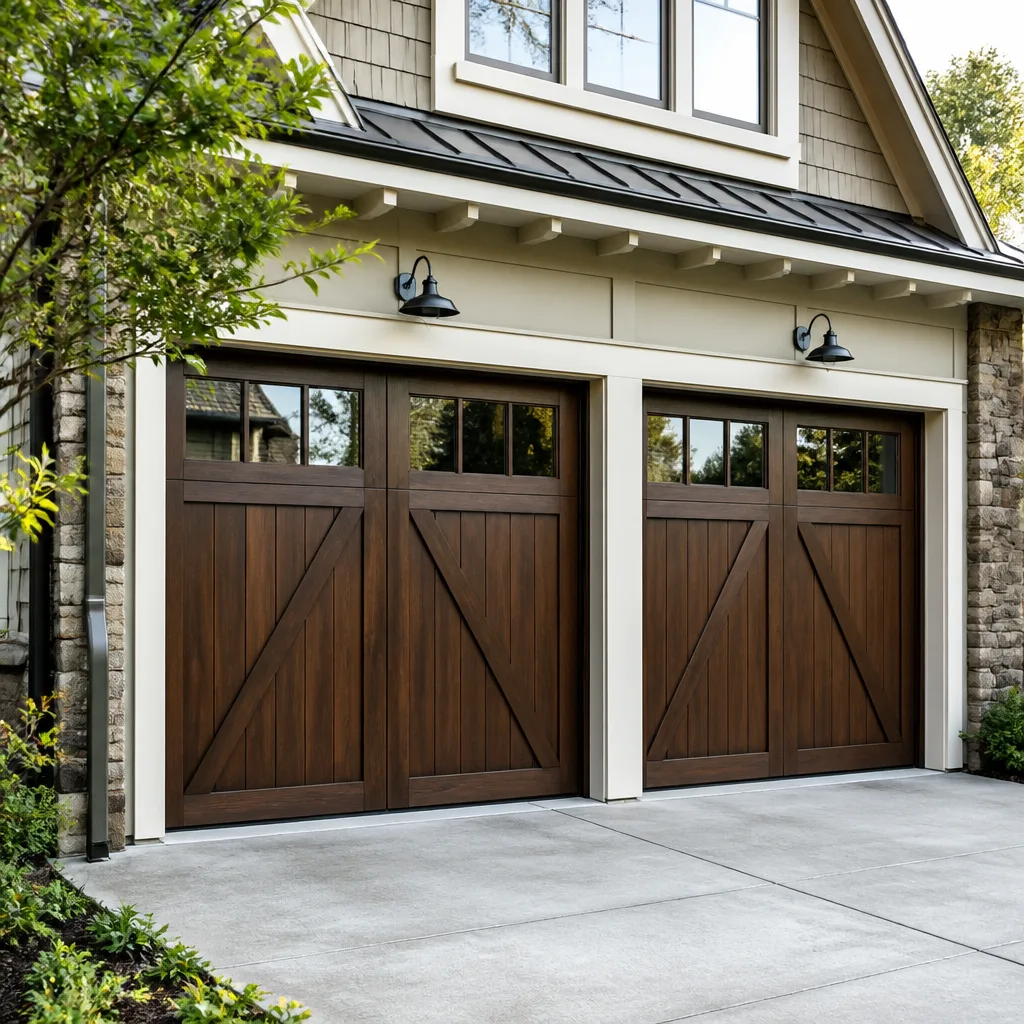 Carriage house
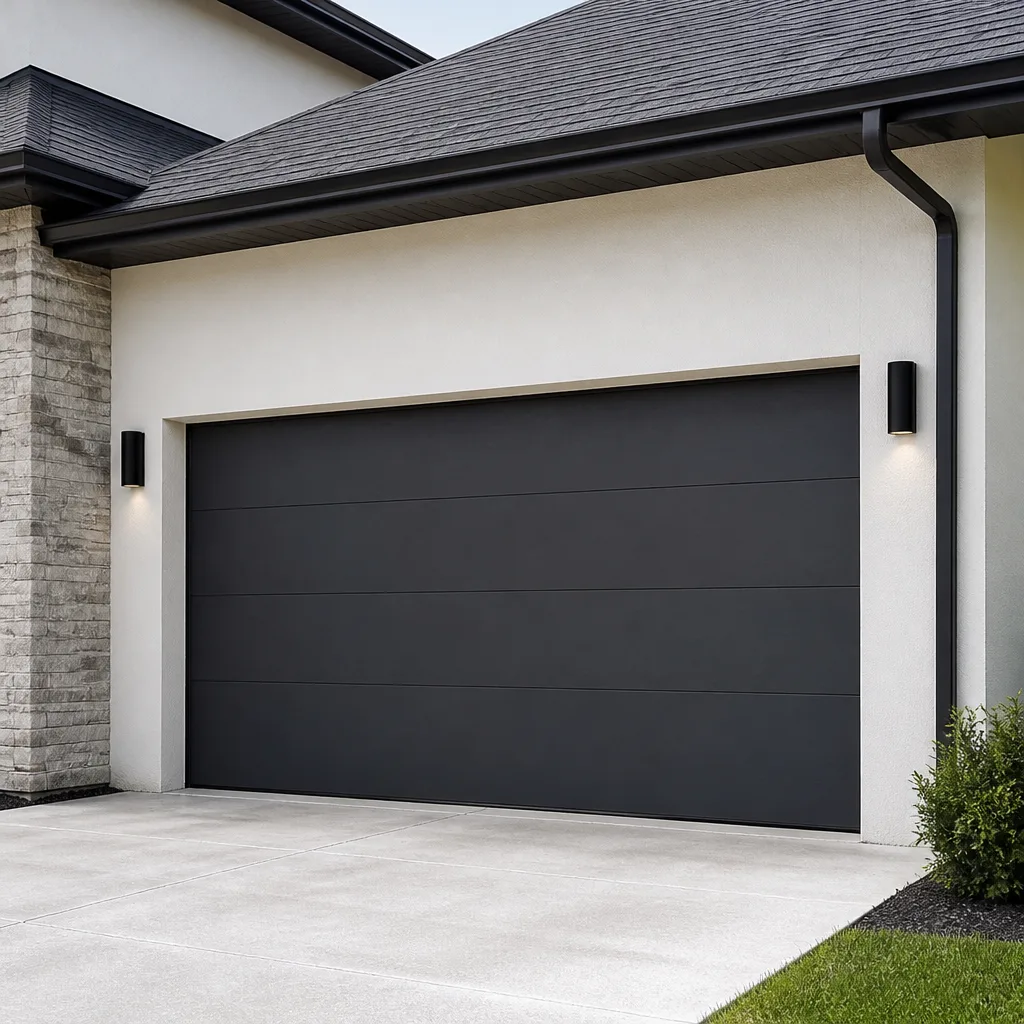 Modern flush
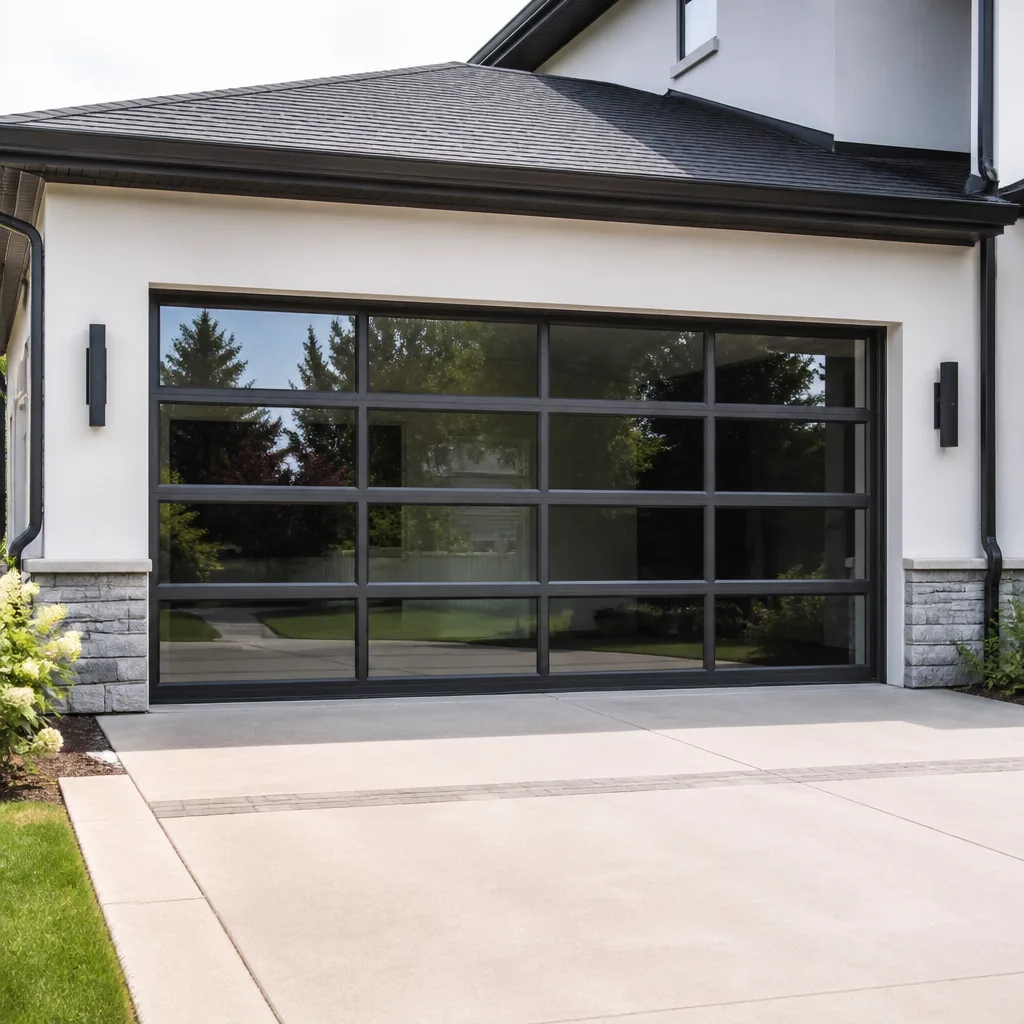 Full-view glass
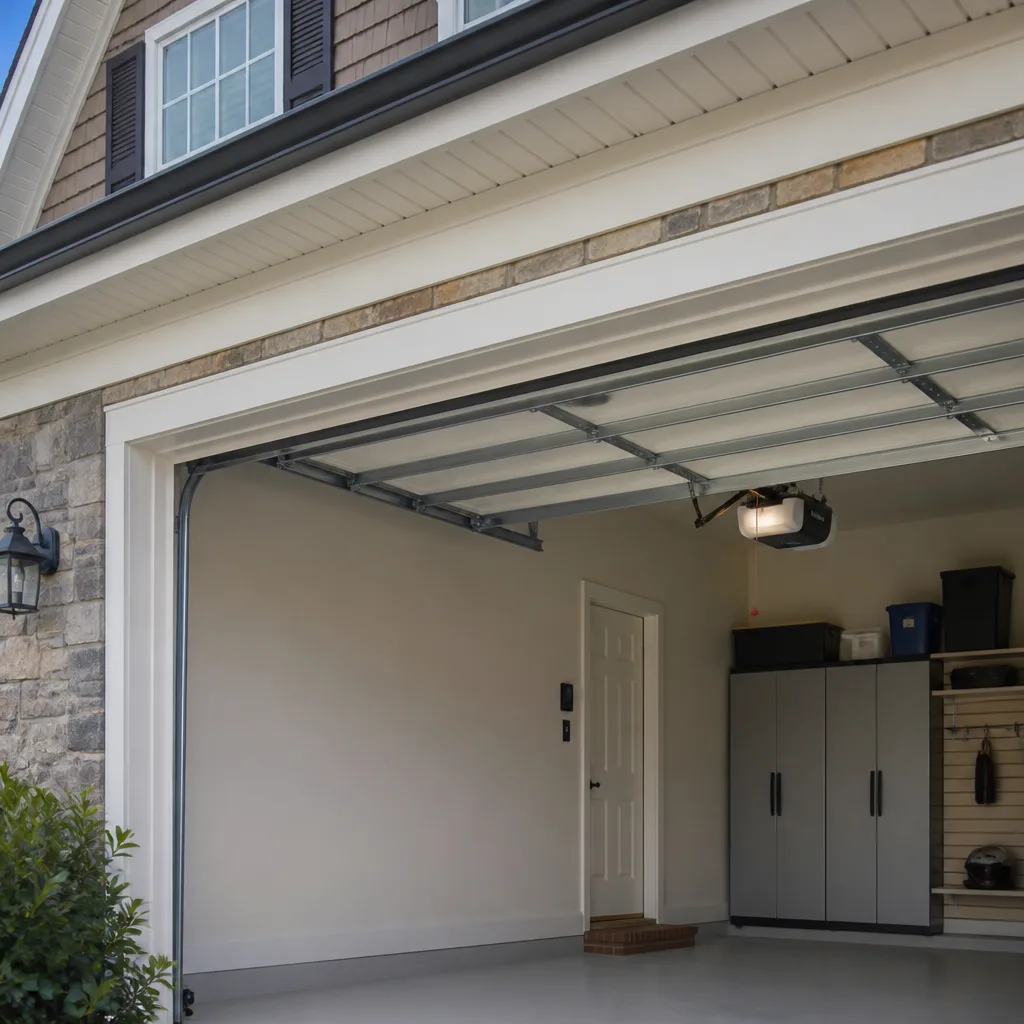 LiftMaster openers
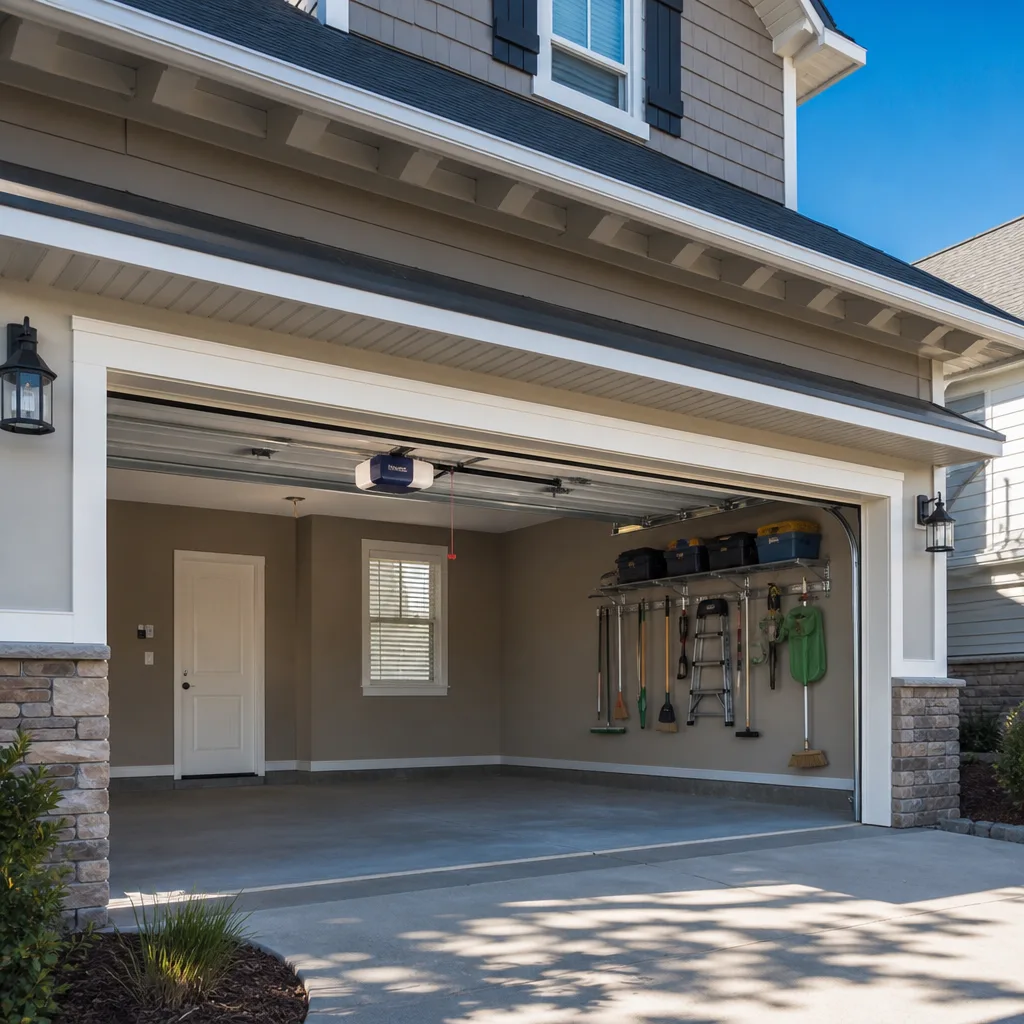 Chamberlain openers
Full 25-point door and opener safety check with every visit - springs, cables, rollers, tracks, and your LiftMaster or Chamberlain opener included
You get a price before we start. It does not change when the truck arrives.
Get your free estimateGarage Door Warning Signs: A Hempstead Homeowner’s Reference Guide
The grinding noise that shows up on a Monday morning is almost never new. It has been building for six to eight weeks, getting a few decibels louder each cycle, hiding behind the sound of the car starting or the kids yelling or the podcast playing. The homeowner who hears it Tuesday and calls gets a repair. The homeowner who gets used to it gets a failure, usually on the worst possible Hempstead morning, with the car trapped behind a 300-pound steel slab that will not budge. This guide, along with our Complete Guide to Garage Door in Hempstead, teaches you to read the signals your garage door sends before that morning arrives.
Quick Answer
Garage doors almost never fail without warning. The most reliable warning signs in Hempstead homes are grinding or squealing noises from the rollers or hinges, a door that hesitates or moves unevenly when opening, visible rust or fraying on the cables, and a torsion spring that has a visible gap in its coil. If you notice any of these, the repair is almost always cheaper and faster than the emergency it prevents. A cable repair typically runs $150 to $275, while the emergency that follows ignored cable wear can exceed $1,100.
Styles & brands we work with
Table of Contents
- Sound-Based Diagnosis: What Each Noise Actually Means
- Visual Warning Signs Ranked by Urgency
- Behavioral Signs: Slow, Uneven, or Reversed Movement
- The Compounding Failure Pattern
- The Photo-and-Describe Protocol for Accurate Estimates
- What Hempstead Climate and Housing Stock Mean for Your Door
- What Repairs Actually Cost in Hempstead
- When to Call a Professional
Sound-Based Diagnosis: What Each Noise Actually Means
Your garage door talks to you every single time it opens and closes. Most Hempstead homeowners tune it out after the first year. That is a mistake, because each specific sound maps to a specific component in trouble. Here is what we hear when we roll up to homes across Hempstead, and what it tells us before we even inspect the door.
Squealing or high-pitched shrieking
A squeal that rises in pitch as the door moves almost always points to dry or worn rollers. Hempstead’s humidity swings from muggy summers to dry, cold winters, and that cycle strips lubrication from steel rollers faster than you would think. Nylon rollers with worn bearings squeal a bit. Steel rollers with no lubrication shriek. If resolving the sound means replacing rollers, the job is straightforward: most roller replacements in this market run $120 to $200 for a full set on a single door. Ignore it, and the roller seizes, the door jerks, and the track itself can bend.
Grinding or crunching
Grinding is the sound of metal making contact with metal where it should not. The most common source is a roller that has gone flat on one side and is dragging through the track. A secondary source is debris or small stones lodged in the track itself, which we see often on Hempstead homes with gravel driveways or unpaved approaches. The diagnosis matters because the fixes differ: a bent track costs more to correct than a set of rollers. In our experience, a homeowner who describes the sound over the phone gives us enough to bring the right parts on the first trip. That means one appointment instead of two.
Banging or popping when the door moves
A single loud bang when the door starts moving or reaches the top of its travel usually comes from the torsion spring, the thick coiled spring mounted above the door that bears most of the lifting load. When a section of spring metal twists against itself, it can pop. When a spring breaks, the bang is loud enough to hear from inside the house and sounds like a car backfiring. If you hear a bang and the door will not lift, stop using the opener immediately and call for a Garage Door Repair in Hempstead. Do not keep pressing the button. The opener motor will burn itself out trying to lift a door whose spring has failed.
Clicking that repeats and gets faster
A rhythmic click that speeds up as the door moves usually points to a loose roller, a hinge pin backing out, or a track bolt that has worked free. Hempstead homeowners with attached garages notice this sound the most, since it telegraphs through the wall into the house. Left alone, a loose hinge lets the door rack slightly out of square, and that throws uneven load onto every other component. Tightening the hardware is a quick fix. Replacing the damage from a door that ran out of square for a month is not.
Visual Warning Signs Ranked by Urgency
You do not need a mechanical background to read a garage door. You need to know what to look at and how urgent each finding is. We group visual signs into three buckets: things you can watch for a month, things that need a same-week appointment, and things that mean stop using the door until a professional has looked at it. Here is the breakdown, ranked from least to most urgent.
Watch for a month: cosmetic and slow-moving wear
- Paint peeling on the door panels. This is a moisture signal. Hempstead’s proximity to the water and its freeze-thaw winters mean peeling paint on a metal door will eventually expose the steel to rust. Touch-up paint now delays panel replacement by years.
- Weatherstripping cracks. The rubber strip along the bottom of the door dries out and cracks. You will see daylight under the door. Replacement runs under $100 in this market. The bigger cost comes from the water, leaves, and mice that get in through the gap.
- Light surface rust on hinges. Steel hinges rust from the outside in. A light coating is cosmetic today. Through-rust is structural, and that is a different bucket.
Same-week appointment: wear that is accelerating
- Fraying cables. The cables run along both sides of the door and bear the lifting load alongside the spring. Frayed strands near the bottom bracket means the cable is unwinding itself. That cable is under enormous tension. When it goes, the door slams down or drops to one side.
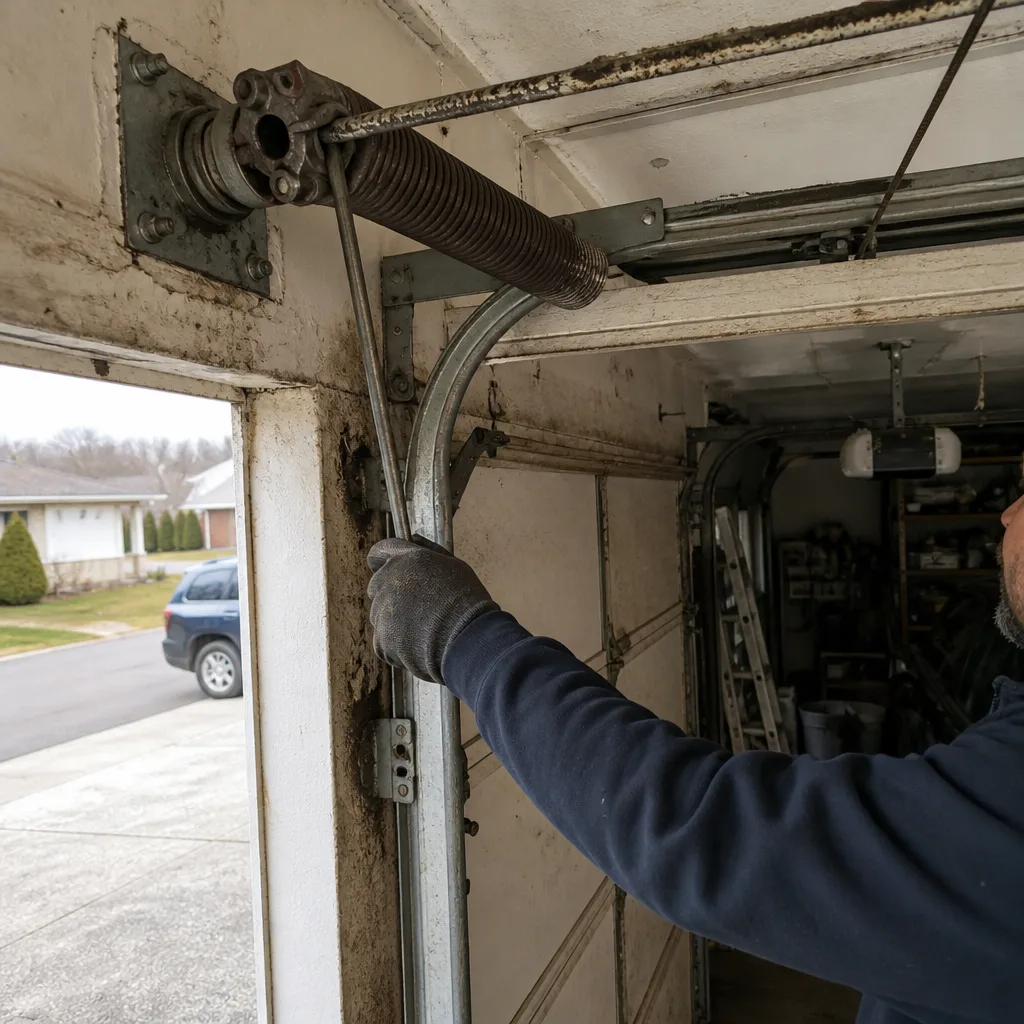
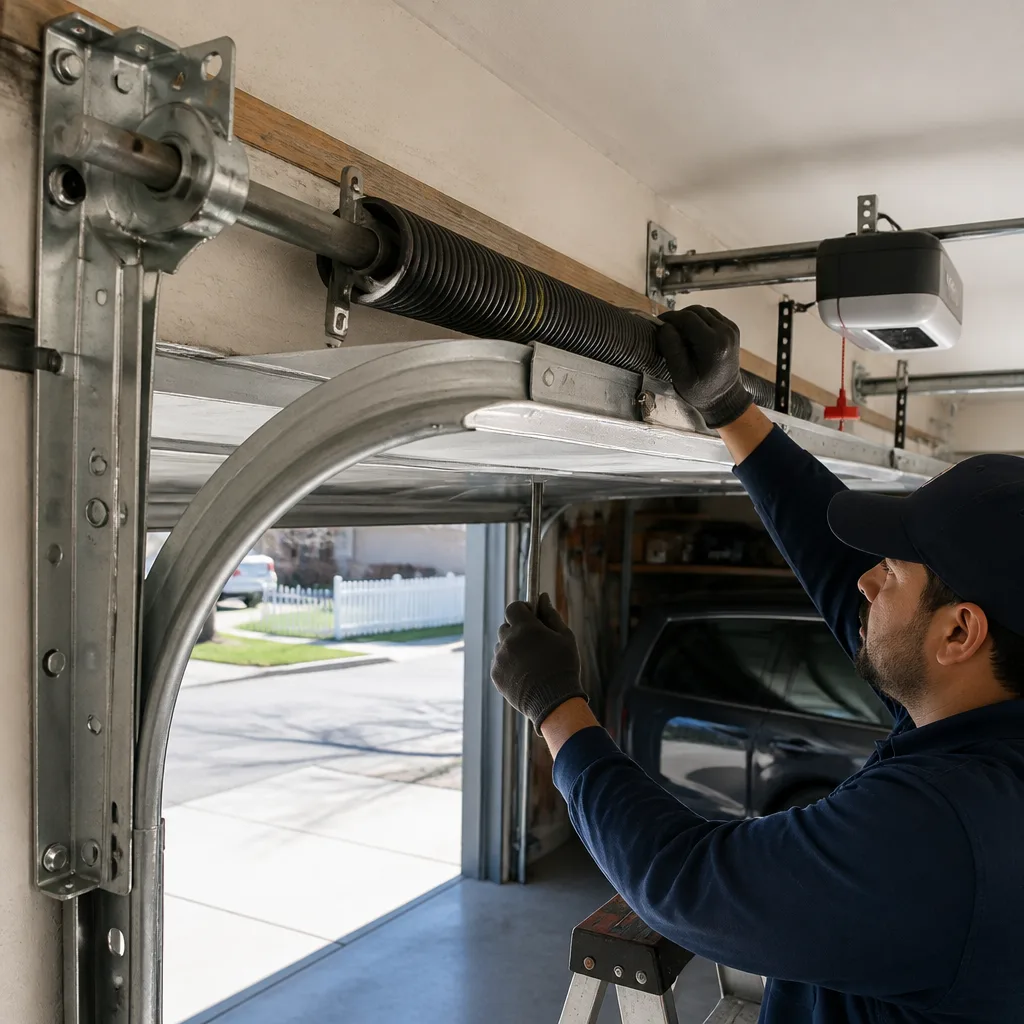
- Visible gap in the torsion spring. A healthy torsion spring is one continuous coil. A gap of an inch or more means the spring has snapped. The door still opens because the opener motor is doing the work the spring should be doing. That motor is not built for it, and it will fail soon.
- Bent or bowing track. The vertical and horizontal tracks should be straight. A visible bow means a roller jumped or the door took a hit. A bowed track worsens with every cycle and will eventually throw a roller entirely.
Stop using the door now
- A snapped cable that is hanging loose. One side of the door is now unsupported. Every cycle risks the door coming off its track and falling. That is a several-hundred-pound hazard.
- A broken spring with the door in the raised position. Do not try to lower it by hand. Do not pull the red release cord thinking it will help. The door will drop under its full weight and the only thing controlling it will be gravity.
- A door that is visibly crooked in its tracks. This means a component has failed and the door is no longer traveling evenly. Continuing to run it will tear up the tracks, the panels, and the opener in short order.
If you see any of the stop-using-it-now signs, call us at (516) 559-5490. We carry the common failure components on the truck, so a same-day visit usually means a same-day repair.
Behavioral Signs: Slow, Uneven, or Reversed Movement
Sound and sight are not the only signals. The way the door moves through its travel tells you a great deal about which subsystem is wearing out. These behavioral signs are the ones homeowners most often write off as “just getting old.” In our experience across Hempstead, they are the earliest indicators of a failure that is still a month out.
Slow response when you press the button
You press the opener and there is a pause of two or three seconds before the door moves. That pause is the opener motor straining against a load it was not sized for. The spring, which should be doing the heavy lifting, has lost tension. The motor is now doing spring work. Every cycle takes life off the motor. A slow-opening door is a spring issue, not an opener issue, and it is far cheaper to address than a burned-out motor.
Uneven movement: one side dips or lags
A door that moves smoothly on the left and stutters on the right has an uneven load. Common causes include a stretched or frayed cable on one side, a roller that has seized in its track, or a hinge that has worked loose. Hempstead homes with older wooden doors see this more, since the door itself flexes as it ages and transfers uneven load to the hardware. The fix depends on the cause, but identify it early and you are looking at a one-part repair. Wait too long and the track bends, the panel cracks, and the opener strains, and now three parts need work instead of one.
Reversed direction mid-travel
If the door starts to close, hits a point, and reverses back up, that is the safety sensor doing its job. Something is blocking the photo-eye beam, or the sensors have drifted out of alignment. Bent sensor brackets are common in busy garages, as are misaligned sensors after a door bump. This one is usually a simple realignment. If the door reverses with nothing in the path and the sensors are clean and aligned, the issue is in the opener’s force settings or the logic board itself, which points to Garage Door Opener Repair in Hempstead rather than a track or hardware issue.
The Compounding Failure Pattern
This is the pattern that turns a $200 repair into a $1,100 emergency, and we see it repeatedly in Hempstead. It starts with one component wearing out on its own schedule. The homeowner does not recognize the signal, or notices it and decides it can wait. Then the worn component stops doing its job, so the component next to it takes on extra load it was never designed for. That second component wears faster. Then a third component gets pulled in. By the time the door fails, what was originally a single problem is now a three-part repair.
The classic sequence
- Stage one: spring fatigue. The torsion spring is rated for a certain number of cycles, usually 10,000, which is roughly seven to ten years of normal use in a Hempstead household. As it nears the end of its life, it loses tension. The door gets heavier. The homeowner might notice the door is harder to lift by hand, or that it sags slightly when halfway open.
- Stage two: opener strain. The opener motor, now lifting a door the spring can no longer counterbalance, runs longer and hotter on every cycle. The gears inside the opener wear faster. The homeowner might notice the door opening slower, or a whining sound from the motor, or the opener tripping its thermal cutoff after two or three cycles in a row.
- Stage three: cable and drum wear. The cables, which were already dealing with normal load, now get yanked unevenly because the spring is not applying smooth counterforce. They fray at the bottom brackets. The cable drums wear grooves. The day the cable snaps is the day the door drops or wedges, and now the repair bill includes a spring, a cable set, possibly a drum, and possibly a motor that was run past its limit.
That is the whole pattern. It is predictable. It is preventable. And the cheapest point to interrupt it is stage one. A spring replacement in this market typically runs $200 to $350, and it takes a professional about an hour. The same job two stages later can easily triple.
The Photo-and-Describe Protocol for Accurate Estimates
You do not need to diagnose your own garage door. You need to describe what you are seeing and hearing accurately enough that the company on the other end of the phone can bring the right parts and quote you a realistic range. We built this simple protocol for Hempstead homeowners because when a customer sends us three clear photos and describes two specific sounds, we almost always arrive knowing what we are dealing with.
Step-by-step: what to photograph and how
- Stand inside the garage with the door closed. Take one photo that captures the entire door from the inside, centered, including the tracks on both sides. This shows us the door type, panel condition, and whether the tracks are straight.
- Photograph the torsion spring. The spring is the coiled rod mounted horizontally above the door opening, often against the wall. Get close enough that the coil is visible. If there is a visible gap or separation in the spring, we need to see exactly where.
- Photograph the bottom of both cables. The cables run vertically on each side of the door and anchor at the bottom bracket. Close-ups of the anchor points show fraying before a failure. If you see loose strands, photograph them from close range, not from across the garage.
- Record a short video of the door opening and closing. Ten seconds is enough. Hold the phone steady and capture the full door from inside. Sound is the point here, not just video. The audio tells us as much as the image.
- Write down two or three words for the sound. Squeal. Grind. Bang. Pop. Click. No need to describe it like a technician. Use the word that matches what you hear, and note whether it happens at the start, middle, or end of the door’s travel.
Send those photos and the description to the company before the appointment, or describe them over the phone. The point is precision: a tech who knows he is probably facing a frayed cable arrives with cable stock on the truck. A tech who shows up blind wastes an hour diagnosing and then schedules a return visit. You should not pay for two visits because the first one was under-prepared. A professional in Hempstead will know from your description whether your cable and drum wear points to a quick fix or a full cable replacement. For reference, most cable repairs run $150 to $275, depending on cable type and drum condition. A full cable-and-drum replacement runs higher, and you will know what to expect before the tech arrives if you have described the problem well.
What Hempstead Climate and Housing Stock Mean for Your Door
Garage doors wear differently in different climates. The advice that works for a Phoenix homeowner, where the issue is dry heat and UV, is not the advice a Hempstead homeowner needs. Here is what the local conditions and local housing stock mean for your hardware.
Humidity, salt air, and freeze-thaw cycles
Hempstead sits close enough to the water that summer humidity is a real factor, and far enough north that winter brings repeated freeze-thaw cycles. Steel roller bearings rust faster here than they do inland. Spring coils fatigue faster in environments where they cycle through temperature swings, because the metal expands and contracts on a daily basis. Bottom brackets and cable anchor points see the worst of it, since they sit closest to the ground where salt and moisture collect on a car’s undercarriage and drip off after a winter drive. A cable that has surface rust is one you watch. A cable with rust that has pitted the metal is one you replace.
Older housing stock and older doors
Hempstead’s housing stock skews older, with many homes built between the 1940s and the 1970s. The garage doors on those homes are often second or third generation replacements, and the door openers are frequently original or near-original. An opener from the 1990s, still working, is a testament to how simple the older chain-drive units are. But the safety features and force settings on those units are not as refined as current models, and the gears wear differently. We see older openers still running while their springs have been replaced twice. The lesson is not that old openers are bad. The lesson is that the door system has many components on different lifecycles, and you should not assume they all wear out together.
What this means for inspection
A Hempstead homeowner should look at the door hardware twice a year, once in spring after the winter salt and freeze-thaw season, and once in fall before the cold sets in. Five minutes each time: look at the cables, look at the spring, run the door and listen. That is the entire inspection. The goal is not to become a garage door expert. The goal is to catch the signals this guide describes early enough that a repair stays a repair instead of becoming an emergency.
What Repairs Actually Cost in Hempstead
We believe homeowners deserve real numbers before they pick up the phone. The pricing below reflects what we routinely see in the Hempstead market. It is not a quote. It is a reference range so you can self-screen and know whether the number a contractor gives you is reasonable.
- Roller replacement, full set: $120 to $200
- Hinge replacement, per hinge: $25 to $60
- Torsion spring replacement: $200 to $350 for a standard single-spring setup, $300 to $500 for a two-spring setup
- Cable repair or replacement: $150 to $275 for a single cable, $250 to $450 for both
- Track realignment or minor bend repair: $125 to $250
- Opener motor replacement: $350 to $600 installed for a basic chain-drive unit, more for belt-drive or smart units
- Weatherseal replacement: $75 to $125
These numbers assume a standard single or double garage door in a typical Hempstead home. Components from brands like Craftsman, LiftMaster, Chamberlain, and Raynor may price differently depending on model and age, and that is a conversation to have before any work begins. The important thing is that the number is written down before the first bolt turns. If a contractor will not put a price in writing, find one who will.
When to Call a Professional
Some garage door work is genuinely DIY-appropriate. Replacing weatherstripping is straightforward. Lubricating rollers with a silicone spray is simple. Cleaning the photo-eye lenses takes two minutes. But the components under high tension, the torsion spring, the cables, and anything attached to the bottom bracket, are not DIY territory. One mistake with a winding spring transfers enough stored energy to cause serious injury. A frayed cable under load can whip when it snaps. These are the jobs where we tell homeowners, plainly, to call someone who does this every day. Garage Door Cable Repair in Hempstead is not a place to learn as you go. Brock Garage Doors Hempstead offers free estimates in Hempstead, and we’ll give you a firm written price before any work starts. Call (516) 559-5490 and a real person answers, day or night.
See the difference
 Before
 After
After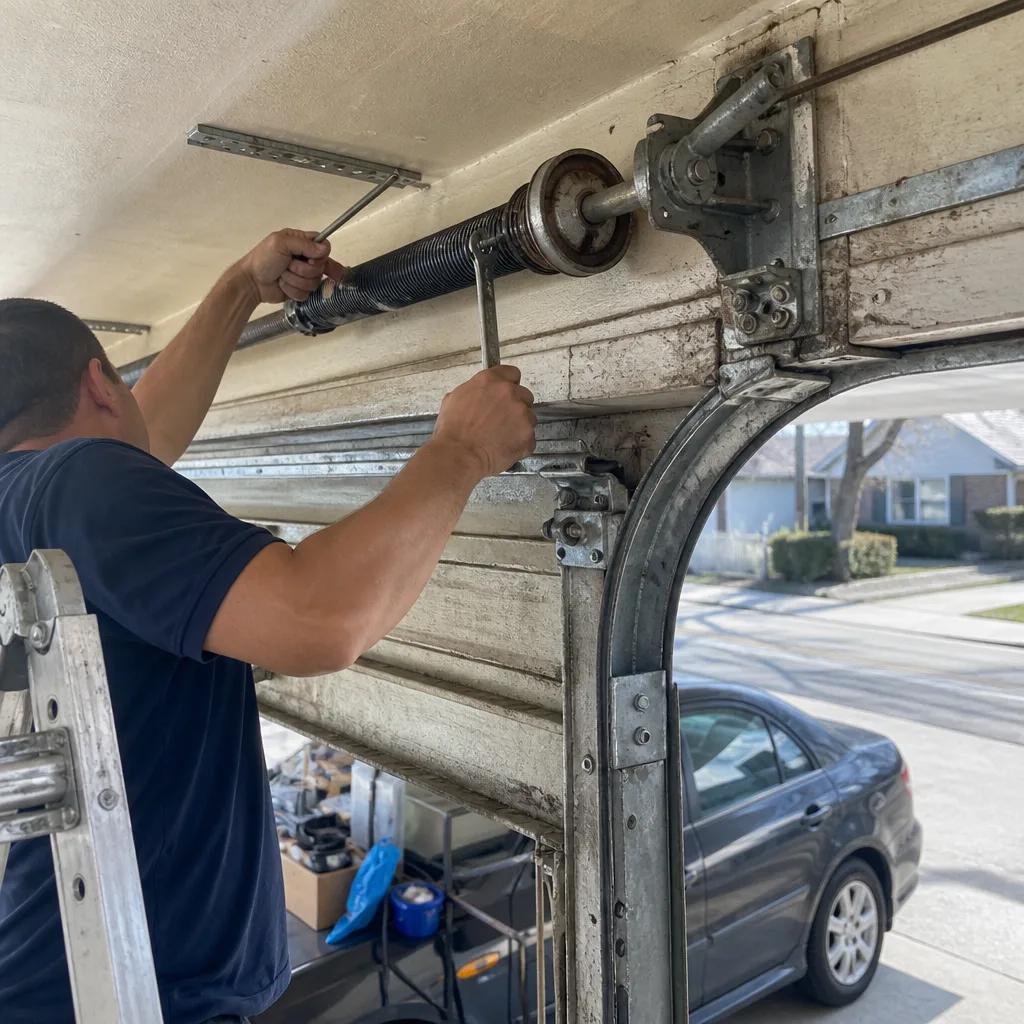 Before
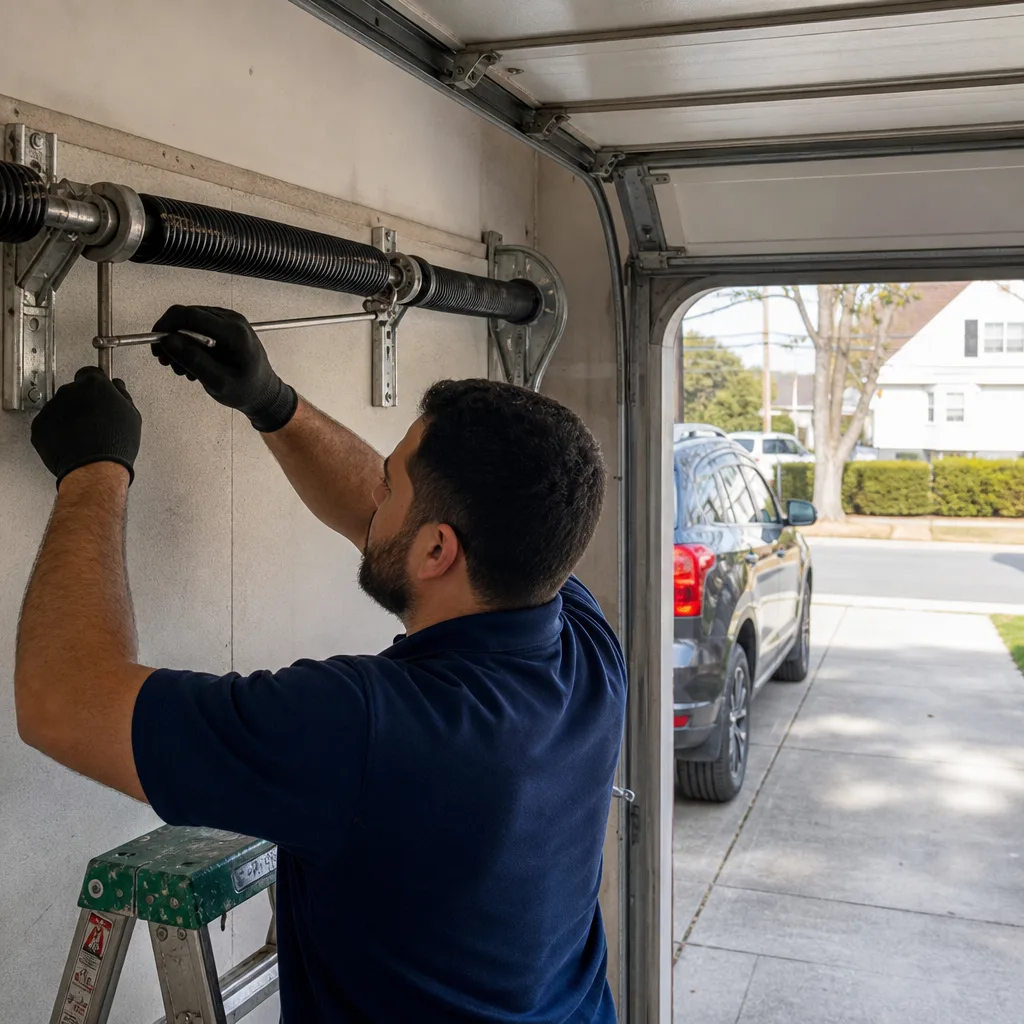 After
After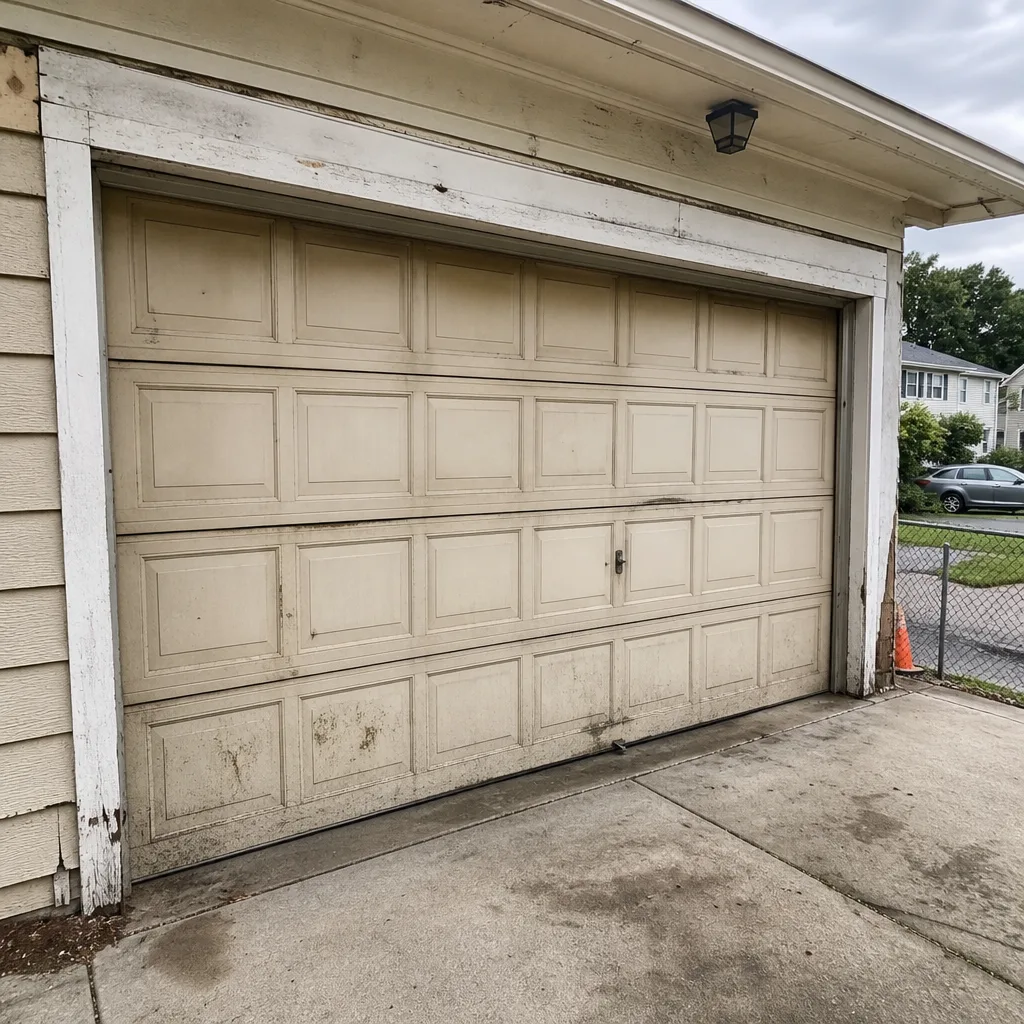 Before
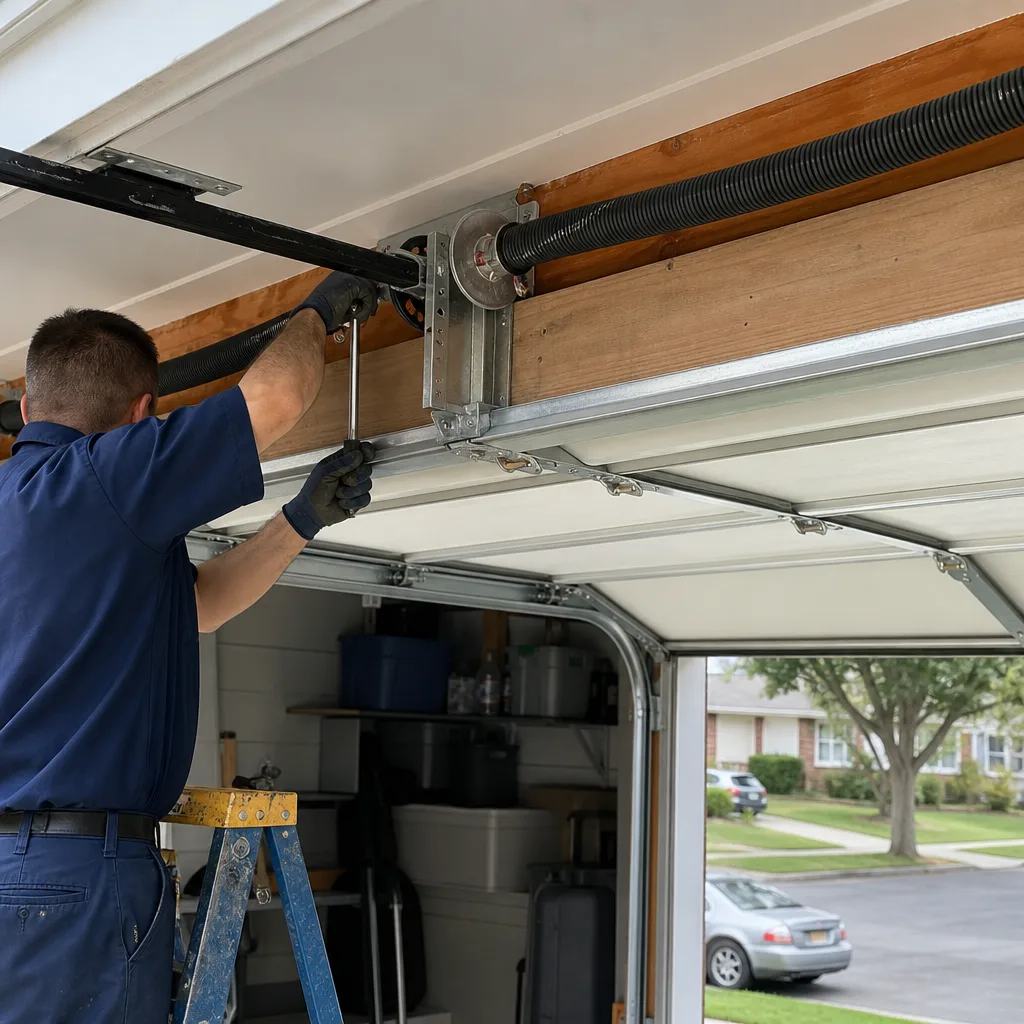 After
AfterCommon Mistakes to Avoid
- Ignoring a new noise because the door still works. The purpose of a noise is to tell you something. A door that still opens while making a new grinding sound is a door that is working harder than it should be. The repair does not get cheaper by waiting.
- Pressing the opener button repeatedly when the door will not move. Each press sends another surge of current through a motor that may already be straining. That is how a $300 spring replacement turns into a $600 spring plus motor replacement.
- Pulling the emergency release cord while the door is stuck open. The release cord disconnects the door from the opener so you can move it by hand. If the spring is broken, the door will not hold by hand, and it will drop. This is how people get hurt.
- Lubricating a squeal without fixing the underlying wear. Spraying lubricant quiets a worn roller for a week. It does not fix the flat spot or the seized bearing. The squeal is the symptom, not the problem.
- Using the wrong lubricant. WD-40 is a solvent, not a garage door lubricant. It strips the existing grease and makes things worse. Silicone spray on rollers, white lithium grease on hinges, and nothing on the torsion spring that you did not put there on purpose.
- Accepting a verbal estimate over the phone and not getting it in writing. The price on the phone should be the price on the invoice. If a contractor in Hempstead will not confirm the number in writing before starting, you are taking a risk that did not need to exist.
- Replacing the opener when the spring was the problem. This happens more than you would believe. A door that opens slowly gets a new motor, and a month later the spring fails, and the homeowner is angry at a company that fixed the wrong thing. Diagnose first, replace second.
Frequently Asked Questions
A torsion spring near the end of its life will show a visible gap or separation in the coil if it has broken, and before that it will produce a door that feels heavy to lift by hand and an opener that struggles to move it. If your spring is seven to ten years old and you are noticing the first two signs, it is time to budget for a replacement. Call (516) 559-5490 and we will tell you what a replacement runs for your specific door.
A sudden increase in noise is almost always a component that has gone from worn to failing, not something that will quiet down on its own. The most common culprits are a roller that has seized, a hinge that has loosened, or a spring that has snapped and left the opener doing all the lifting. Describe the sound to a professional and you will usually narrow it to one of the three over the phone.
A garage door will not fall straight down in one piece like a guillotine, but it can drop suddenly on one side and come off its track, which is a several-hundred-pound hazard that can damage anything in its path and injure anyone close to it. If you see frayed cables or hear a snap, stop using the door and call for service immediately.
Most common repairs in Hempstead run between $120 and $350 depending on the part. Roller replacement runs $120 to $200, cable repair $150 to $275, and spring replacement $200 to $350 for a standard setup. The full breakdown is in our cost section above. For an exact quote on your door, call (516) 559-5490 and we will give you a written price before any work starts.
Yes. A live person answers our phones 24 hours a day, seven days a week, including holidays, and we route emergency calls to a technician the same day in Hempstead. If your door is stuck open, stuck closed, or off its track, call (516) 559-5490 and we will tell you when we can have someone there.
The price we give you before work starts is the price on the invoice when we leave. If the technician finds something additional that needs attention, we tell you what it is, what it costs, and you approve it before we touch it. Your repair is covered in writing for 365 days. If it fails in that window, we return at no charge. That is the Brock Garage Doors Hempstead home standard, and it applies to every job.
The Bottom Line
Your garage door has a vocabulary. It squeals when a roller is dry, grinds when metal drags, bangs when a spring fails, and clicks when hardware loosens. It moves slowly when the spring is tired, unevenly when a cable is fraying, and reverses when a sensor is misaligned. None of these signals are random, and none of them resolve themselves. In Hempstead, where salt air and freeze-thaw cycles accelerate wear on springs and cables, the homeowner who reads these signals early stays ahead of the compounding failure pattern that turns a simple repair into a multi-part emergency. Print this guide, keep it in the garage, and check the door twice a year. For ongoing tips, visit our more guides & resources. When something looks or sounds wrong, call (516) 559-5490 and a real person will answer.
Written by Wade Mercer, Owner at Brock Garage Doors Hempstead, serving Hempstead since 2001.